24 Oct 2026 19 min to read
Lobuche Peak Climbing 2027/2028 – Is It Suitable for Beginners? Lobuche Peak Climbing in Nepal is an exciting Himalayan adventure for beginners who are physically fit, well-prepared, and eager to experience their first high-altitude mountaineering challenge. Standing at 6,119 meters (20,075 feet), Lobuche East offers breathtaking views of Mount Everest, Lhotse, Nuptse, Ama Dablam, and the surrounding Khumbu Himalayas. Although it is considered one of Nepal’s popular trekking peaks, Lobuche East is more challenging than a regular high-altitude trek because the final ascent involves steep snow and ice slopes, glacier travel, and the use of mountaineering equipment such as crampons, ice axes, harnesses, and fixed ropes. Beginners with good cardiovascular fitness, previous high-altitude trekking experience, and proper guidance from experienced climbing guides can prepare for this adventure through appropriate acclimatization, pre-climbing training, and basic mountaineering instruction.
The journey typically follows the spectacular Everest Base Camp trail, allowing climbers to explore Namche Bazaar, Tengboche, Dingboche, and the iconic Everest region before attempting the summit. For the 2027 and 2028 climbing seasons, Lobuche Peak is an excellent choice for adventure seekers who want to progress from trekking to Himalayan peak climbing, provided they understand the physical demands and altitude-related risks. With a carefully planned itinerary, sufficient acclimatization days, professional climbing support, and suitable weather conditions, beginners can pursue this remarkable summit experience with greater confidence. Book your Lobuche Peak Climbing adventure for 2027/2028 with Nepal Holiday Trip and begin planning your unforgettable Himalayan journey.
Lobuche Peak is located in the core of the Khumbu Himalayas and is the place of dreams for all adventurers and mountaineers from all over the world. Lobuche Peak consists of two main peaks – Lobuche East which is about 6119 m high and Lobuche West which is approximately 6145 m high. Both peaks can be climbed but, of the two, Lobuche East is more climbered as it offers climbers technical climbing, trekking at high altitude, and beautiful scenery of the Himalayas. Even though Lobuche East is difficult to climb, it is extremely interesting and offers great emotions to ready climbers.
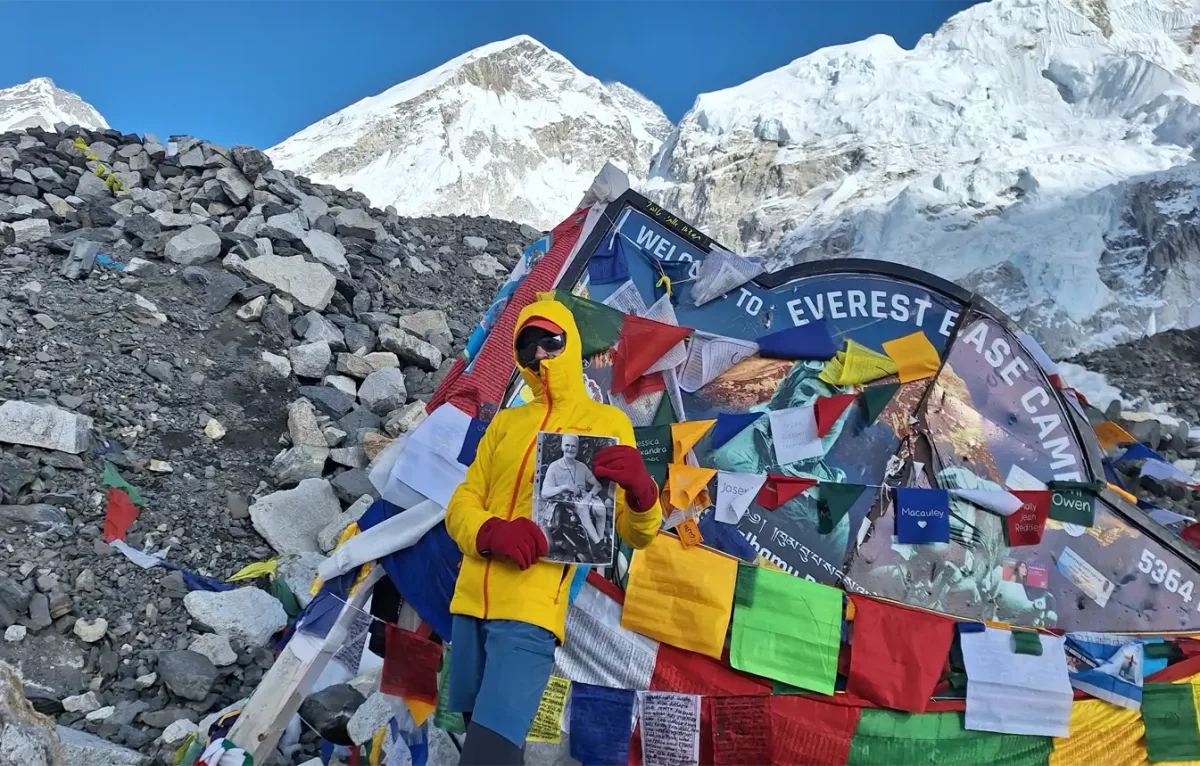
Lobuche Peak Compared with Other Popular Climbing Peaks in Nepal
Nepal offers a wide range of trekking peaks, each providing a different combination of altitude, technical difficulty, scenery, and climbing experience. Lobuche East, Island Peak, Mera Peak, Pisang Peak, and Yala Peak are among the popular choices for adventure enthusiasts. Although all these peaks offer spectacular Himalayan experiences, Lobuche East stands out for its combination of technical mountaineering, proximity to Mount Everest, and opportunities to explore the famous Everest Base Camp trekking route.
Lobuche East vs. Island Peak: Lobuche East reaches approximately 6,119 meters (20,075 feet), while Island Peak stands at approximately 6,189 meters (20,305 feet). Both peaks require good physical fitness, acclimatization, and basic mountaineering skills. Island Peak is known for its glacier approach, steep summit headwall, and dramatic summit ridge, while Lobuche East offers challenging snow and ice slopes and a rewarding climbing experience in the Everest region. The choice depends on the preferred route, current mountain conditions, and the climber’s technical experience.
Lobuche East vs. Mera Peak: Mera Peak, at approximately 6,476 meters (21,247 feet), is higher than Lobuche East and is famous for its extensive panoramic views of major Himalayan mountains. Its standard route is generally less technically demanding than Lobuche East, although the altitude makes it physically challenging and glacier travel requires appropriate equipment and skills. Lobuche East is often a better option for climbers seeking more hands-on technical climbing, whereas Mera Peak may appeal to those prioritizing a higher summit and broad mountain panoramas.
Lobuche East vs. Pisang Peak: Pisang Peak, at approximately 6,091 meters (19,984 feet), lies in the Annapurna region and is often combined with the Annapurna Circuit. Its climbing route can involve steep slopes, exposed terrain, and technical sections depending on conditions. In contrast, Lobuche East provides access to the Everest region, with opportunities to visit Everest Base Camp and experience Sherpa culture. The decision between these peaks often comes down to whether climbers prefer the Everest or Annapurna landscape.
Lobuche East vs. Yala Peak: Yala Peak, at approximately 5,732 meters (18,806 feet), is located in the Langtang region and is generally considered a less demanding climbing objective than Lobuche East. It is a popular option for trekkers seeking an introduction to Himalayan peak climbing without committing to the same altitude and technical challenges. Lobuche East offers a more demanding high-altitude experience and closer access to the Everest trekking corridor, making it more suitable for climbers with stronger preparation and appropriate mountaineering guidance.
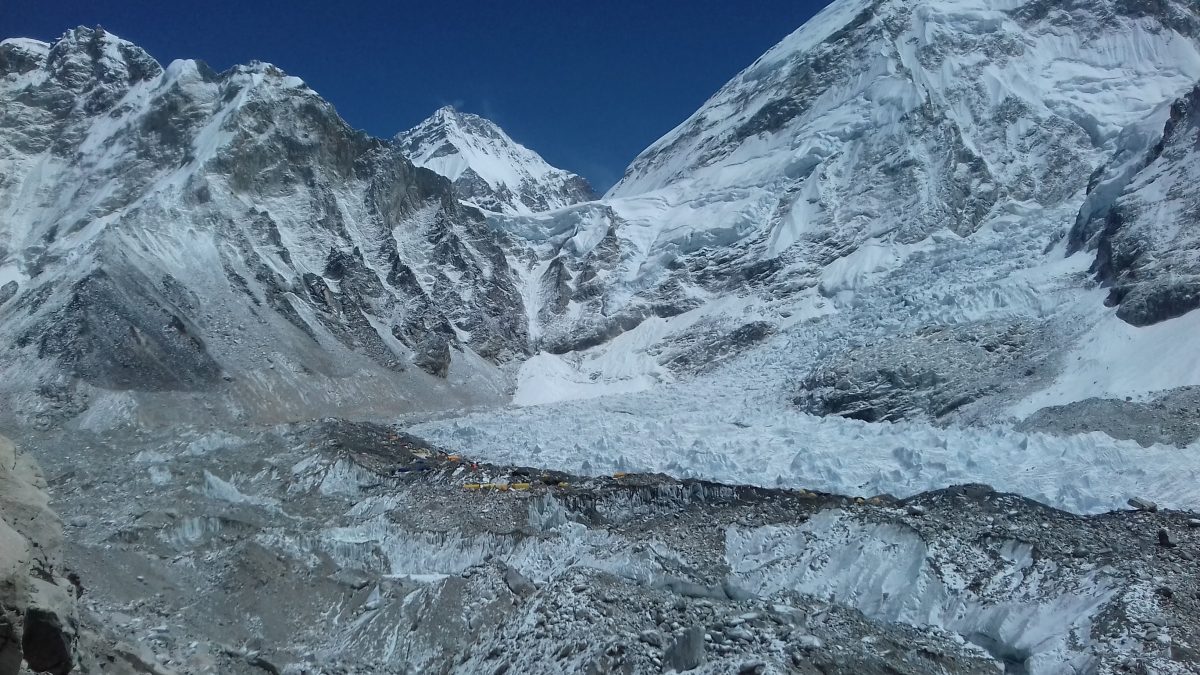
Comparison Table: Lobuche Peak Compared with Other Popular Climbing Peaks in Nepal
| Peak | Approx. elevation | Main attraction | General climbing profile |
|---|
| Lobuche East | 6,119 m | Everest-region scenery and technical climbing | Challenging; snow and ice climbing |
| Island Peak | 6,189 m | Distinctive summit ridge and glacier scenery | Challenging; technical summit sections |
| Mera Peak | 6,476 m | High summit and expansive Himalayan panoramas | High-altitude endurance; generally less technical on the standard route |
| Pisang Peak | 6,091 m | Annapurna-region scenery and exposed climbing terrain | Challenging; conditions-dependent technical sections |
| Yala Peak | 5,732 m | Langtang landscapes and introductory peak climbing | Generally less demanding than Lobuche East |
Note: Elevations are approximate, and difficulty classifications can vary with route, weather, snow conditions, and climbing operator. All these climbs require careful planning, acclimatization, and appropriate safety measures.
Why Lobuche East Is a Strong Choice
Lobuche East is particularly attractive to climbers who want more than a high-altitude trekking experience. Its combination of challenging terrain, spectacular views of the Everest massif, and access to destinations such as Everest Base Camp makes it a well-rounded Himalayan adventure. While Mera Peak offers greater altitude and Island Peak provides its own distinctive technical challenges, Lobuche East delivers a compelling balance of mountaineering, scenery, and cultural exploration. For well-prepared climbers seeking to improve their mountaineering experience while discovering the legendary Everest region, Lobuche East is an excellent option.
What is the Success Rate of Lobuche Peak Climbing?
The success rate of Lobuche Peak Climbing is an important consideration for trekkers and mountaineers planning an expedition in Nepal’s Everest region. Lobuche East, standing at approximately 6,119 meters (20,075 feet), is a popular trekking peak that offers an exciting combination of high-altitude trekking, technical mountaineering, and spectacular Himalayan scenery. Although it is achievable for well-prepared climbers with appropriate guidance, reaching the summit requires physical endurance, favorable weather, proper acclimatization, and careful climbing decisions.
The success rate generally refers to the percentage of climbers who successfully reach the summit compared with the total number who attempt it. However, there is no single, independently verified success-rate figure that applies to every Lobuche East expedition. Published estimates vary between climbing operators and mountaineering guides because they may use different reporting methods, climbing seasons, routes, and definitions of summit success.
For general planning purposes, reported success estimates may fall within approximately 60–85%, depending on the expedition and source. Some operators advertise higher figures for particular seasons or groups. These percentages should be treated as indicative estimates rather than a universal statistic or a guarantee. To obtain a more reliable picture, climbers should ask individual operators for recent records showing the number of people who attempted the summit and the number who actually reached it.
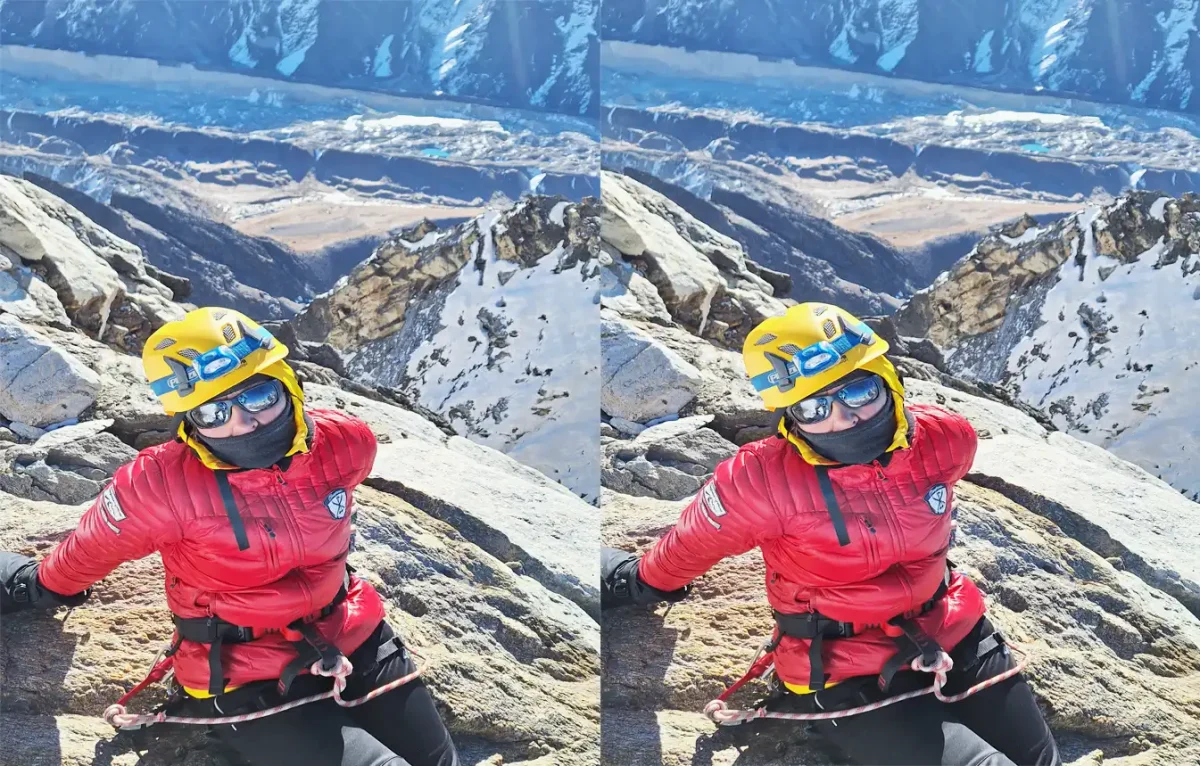
1. Factors Affecting the Success Rate
Several important factors influence whether climbers can successfully reach the summit of Lobuche East.
Physical fitness and endurance: Lobuche Peak Climbing involves long trekking days, steep ascents, and strenuous summit-day activity at high altitude. Climbers need good cardiovascular fitness, leg strength, stamina, and the ability to walk for several hours while carrying a backpack. Inadequate preparation can cause exhaustion and make the final ascent difficult.
Acclimatization and altitude: As climbers ascend above 5,000 meters, the reduced availability of oxygen places additional stress on the body. Headaches, nausea, dizziness, unusual fatigue, and loss of appetite may indicate altitude illness. A gradual ascent, planned acclimatization days, and careful monitoring of symptoms are essential. Climbers should never continue ascending when symptoms suggest altitude illness, and severe symptoms require immediate descent and medical assessment.
Weather conditions: Weather is one of the most unpredictable factors affecting summit success. Strong winds, snowfall, poor visibility, and unstable snow conditions can make the route unsafe. Even physically fit climbers with excellent preparation may need to abandon their summit attempt when conditions deteriorate.
Technical climbing skills: Lobuche East is more demanding than an ordinary trekking route. Depending on the route and conditions, climbers may need to use crampons, ice axes, climbing harnesses, ropes, and fixed-line systems. Familiarity with these techniques helps climbers move more confidently and safely through steep snow and ice sections.
Professional guidance and expedition planning: Experienced climbing guides can help assess weather conditions, manage the pace of ascent, monitor symptoms of altitude sickness, and make appropriate turnaround decisions. A well-planned itinerary with sufficient acclimatization and contingency days can improve preparedness, although it cannot guarantee summit success.
2. Best Season for Lobuche Peak Climbing
The two principal climbing seasons are spring and autumn. Both can offer favorable conditions, but neither guarantees a successful summit.
Spring (March to May): Spring is a popular period for Himalayan climbing. Temperatures generally become more favorable as the season progresses, although snowfall, wind, and changing mountain conditions can still affect the expedition.
Autumn (September to November): Autumn often offers clear skies and excellent mountain visibility after the monsoon. However, temperatures can be very cold at higher elevations, and strong winds may affect summit attempts.
Monsoon and winter: The monsoon season can bring rain, cloud, and travel disruptions, while winter presents extreme cold and potentially harsh climbing conditions. These seasons generally require additional consideration and careful assessment of current conditions.
The best climbing window depends on the forecast, recent snowfall, route conditions, and the judgment of the climbing team.
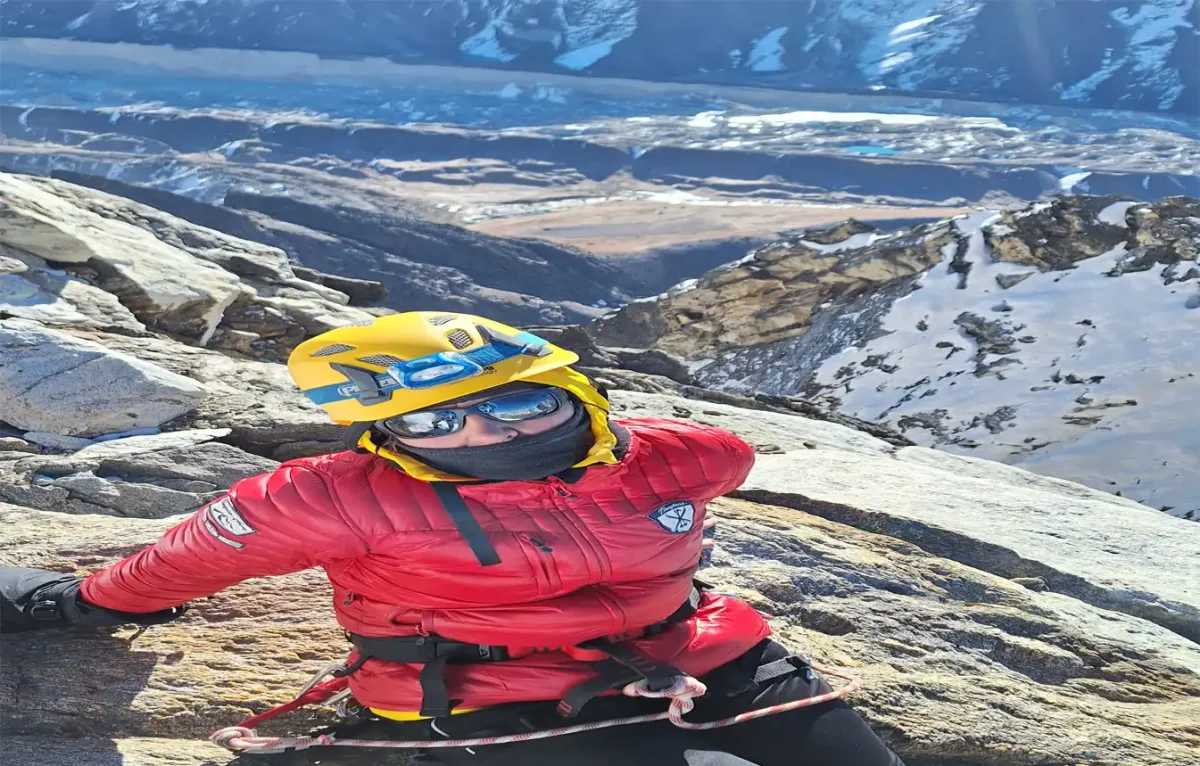
3. How to Improve the Chances of Summit Success
Although no preparation can guarantee a summit, climbers can take several practical steps to improve their readiness.
First, develop physical fitness several months before departure through hiking, uphill walking, stair climbing, and cardiovascular exercise. Second, gain experience with high-altitude trekking so that you understand how your body responds to reduced oxygen levels. Third, follow a carefully designed acclimatization schedule and communicate any symptoms to your guide immediately.
Learning basic mountaineering techniques before the expedition is also beneficial. Climbers should understand the proper use of crampons, ice axes, harnesses, and rope systems. Choosing a reputable operator with qualified guides, appropriate safety equipment, emergency procedures, and a realistic itinerary is equally important.
Finally, allow extra days for possible weather delays and understand that reaching the summit is never more important than personal safety. A responsible climbing team should be prepared to turn around when weather, health, or route conditions make further climbing unsafe.
4. Understanding the Success Rate Through an Example
Suppose 100 climbers attempt Lobuche East during a particular period, and 80 successfully reach the summit. The summit success rate would be 80%.
The calculation is: Summit success rate = (Number of climbers who reach the summit ÷ Total number of climbers who attempt the summit) × 100
In this example: (80 ÷ 100) × 100 = 80%.
This is an illustrative example, not actual expedition data. It also demonstrates why the definition of success matters. Some operators report individual climber success rates, while others may describe the proportion of groups that successfully complete the climb. These measures are different and should not be compared directly.
When comparing climbing companies, ask for recent summit statistics, the relevant season, the number of climbers involved, and confirmation that the figures represent climbers who reached the actual summit rather than a lower point on the route.
Lobuche East Peak Climbing offers a challenging and rewarding opportunity to experience Himalayan mountaineering in Nepal’s spectacular Everest region. Although reported success estimates vary, approximately 60–85% may be used as a broad indicative range from some published guides and operator reports, rather than as a verified universal statistic.
The likelihood of reaching the summit depends on physical fitness, acclimatization, technical ability, weather, route conditions, and the quality of expedition planning. Climbers who prepare thoroughly, follow professional guidance, and remain flexible in response to mountain conditions can improve their readiness for the challenge.
Ultimately, a successful expedition is not measured by reaching the summit alone. Returning safely, respecting the mountain, and making responsible decisions are equally important parts of the Lobuche Peak Climbing experience.
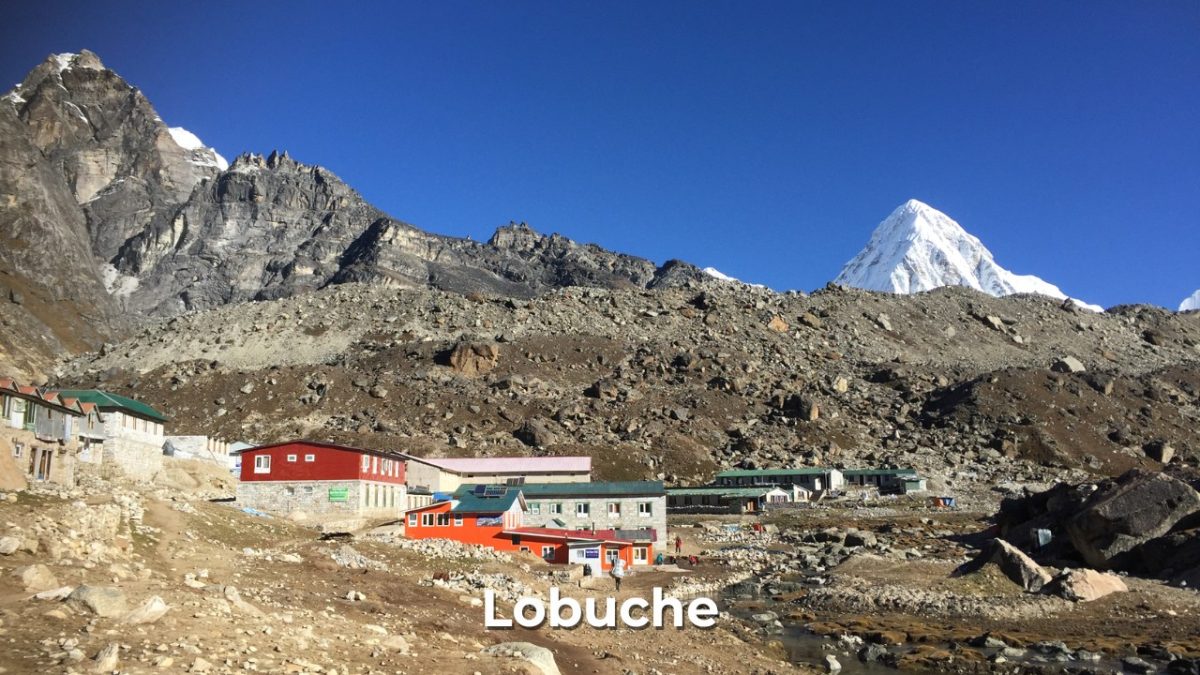
Is Lobuche Peak Suitable for Beginners?
Lobuche East Peak Climbing can be suitable for beginners who are physically fit, properly prepared, and willing to learn basic mountaineering skills under the guidance of experienced climbing professionals. Standing at approximately 6,119 meters (20,075 feet) above sea level, Lobuche East is one of the popular trekking peaks in Nepal’s Everest region. It attracts adventure enthusiasts who want to move beyond conventional trekking and experience the challenge of climbing a Himalayan summit. However, although it is classified as a trekking peak, Lobuche East should not be considered an easy climb. Its high altitude, steep snow and ice slopes, glacier travel, and potentially exposed summit sections make it a demanding adventure that requires careful preparation and responsible decision-making.
1. Physical Fitness and Preparation
Physical fitness is one of the most important requirements for beginners planning to climb Lobuche East. The expedition involves several days of trekking through mountainous terrain, gradual ascents to higher elevations, and a demanding summit attempt that can last many hours. Climbers need good cardiovascular endurance, leg strength, balance, and the ability to maintain a steady pace while carrying a backpack. Beginners should ideally begin preparing at least three to six months before the expedition, depending on their existing fitness level. Regular hiking, uphill walking, stair climbing, cycling, and strength training can help build the endurance needed for the journey. Training on uneven terrain and completing longer hikes with a backpack can also help prepare the body for the physical demands of the expedition. However, good fitness alone does not guarantee success because altitude, weather, and technical climbing conditions can affect even experienced athletes.
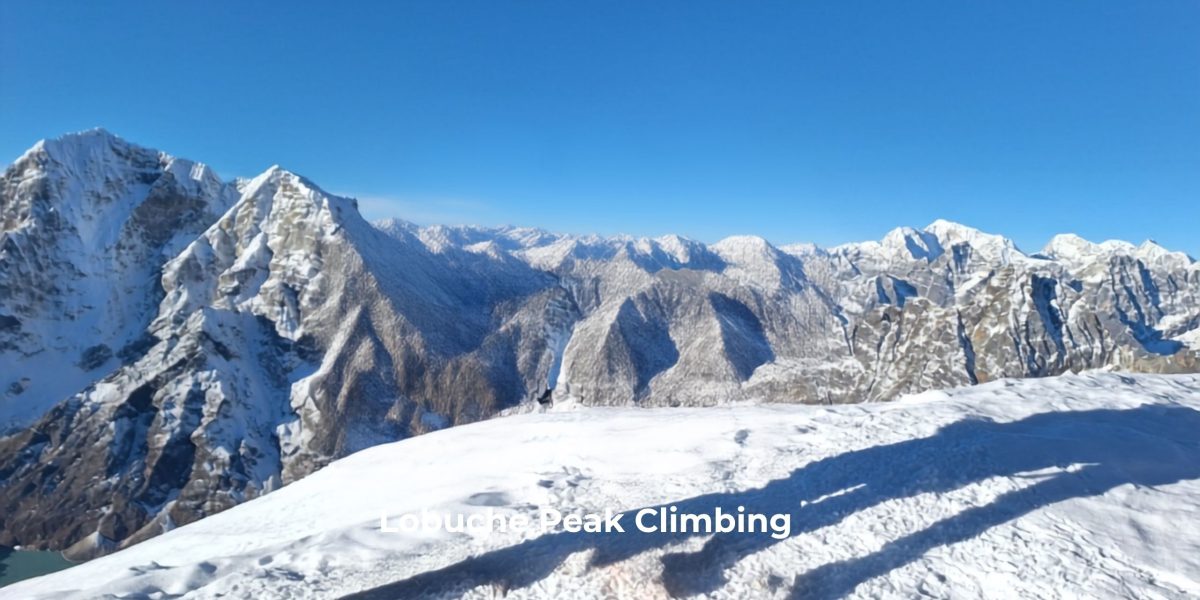
2. Is Previous Trekking and Mountaineering Experience necessary for the Lobuche Peak Climbing
Although previous mountaineering experience may not be an absolute requirement for every guided expedition, it is highly beneficial for beginners attempting Lobuche East. Experience with high-altitude trekking helps climbers understand the challenges of walking for extended periods, managing fatigue, and adapting to changing mountain conditions. Completing a trek in the Everest region or another high-altitude destination before attempting Lobuche East can provide valuable experience. Beginners should also receive practical instruction in essential mountaineering techniques, including the use of crampons, ice axes, climbing harnesses, and ropes. Depending on the route and conditions, fixed ropes may be used on steep sections. Learning how to move safely on snow and ice, maintain balance, and follow a guide’s instructions can improve confidence and reduce avoidable risks. A reputable climbing operator should explain the required skills and provide appropriate training before the summit attempt.
3. Understanding the Challenges of High Altitude
One of the greatest challenges for beginners is the altitude. At approximately 6,119 meters, Lobuche East has significantly less available oxygen than locations at sea level. The body needs time to adjust to these conditions, which is why a carefully planned acclimatization schedule is essential. Most itineraries include gradual trekking through the Everest region, with rest or acclimatization days at selected elevations before reaching Lobuche Base Camp or High Camp. Even with proper acclimatization, altitude sickness can occur. Common symptoms include headaches, nausea, dizziness, unusual tiredness, and loss of appetite. Beginners must inform their guide immediately if they experience symptoms rather than attempting to push through them. Severe symptoms require urgent medical attention and descent. Understanding altitude risks and following the guide’s safety recommendations are essential for anyone attempting this climb for the first time.
4. What are the Technical Difficulty and Required Climbing Skills
Lobuche East is more technically demanding than a standard trekking route because the final ascent can involve steep snow and ice slopes, glacier travel, and exposed terrain. Climbers may need to use crampons, an ice axe, a harness, and fixed-rope systems under appropriate supervision. These requirements can be challenging for beginners who have never experienced technical mountaineering. However, with suitable preparation, professional instruction, and a qualified climbing guide, some first-time mountaineers can develop the skills needed for the ascent. Beginners should confirm in advance what training is included in their expedition package and whether the operator expects previous experience on a comparable peak. They should also be honest about their ability, comfort with heights, and experience using climbing equipment. If a climber is uncomfortable with the technical requirements, choosing an easier objective first may be a more appropriate decision.
5. The Importance of a Professional Climbing Guide
Hiring an experienced and qualified climbing guide is especially important for beginners. A professional guide can help manage the pace of the expedition, monitor weather and route conditions, provide technical instruction, and recognize warning signs of altitude-related illness. Guides also help climbers understand when it is safe to continue and when turning around is necessary. Before booking, beginners should research the operator’s experience, guide qualifications, client-to-guide ratio, emergency response arrangements, communication equipment, and availability of appropriate safety gear. It is also important to clarify whether the package includes climbing equipment, accommodation, meals, permits, and contingency arrangements for delays. A reliable operator should discuss the risks openly instead of promising a guaranteed summit.
6. Recommended Preparation for First-Time Climbers from our Travel Expert
Beginners should approach Lobuche East as a serious mountaineering objective rather than simply another trekking destination. Physical training should be combined with practical climbing instruction and, ideally, previous high-altitude trekking experience. Climbers should select an itinerary that allows sufficient time for gradual ascent and acclimatization instead of choosing a schedule that is unnecessarily rushed. Appropriate clothing, layered insulation, waterproof outerwear, sturdy mountaineering boots, gloves, eye protection, and other required equipment are essential in cold Himalayan conditions. Good hydration, adequate nutrition, and sufficient rest can support overall performance, although they cannot prevent every altitude-related problem. Beginners should also allow additional days for weather delays and remain mentally prepared to change their plans. The ability to turn back when conditions become unsafe is an essential mountaineering skill, not a sign of failure.
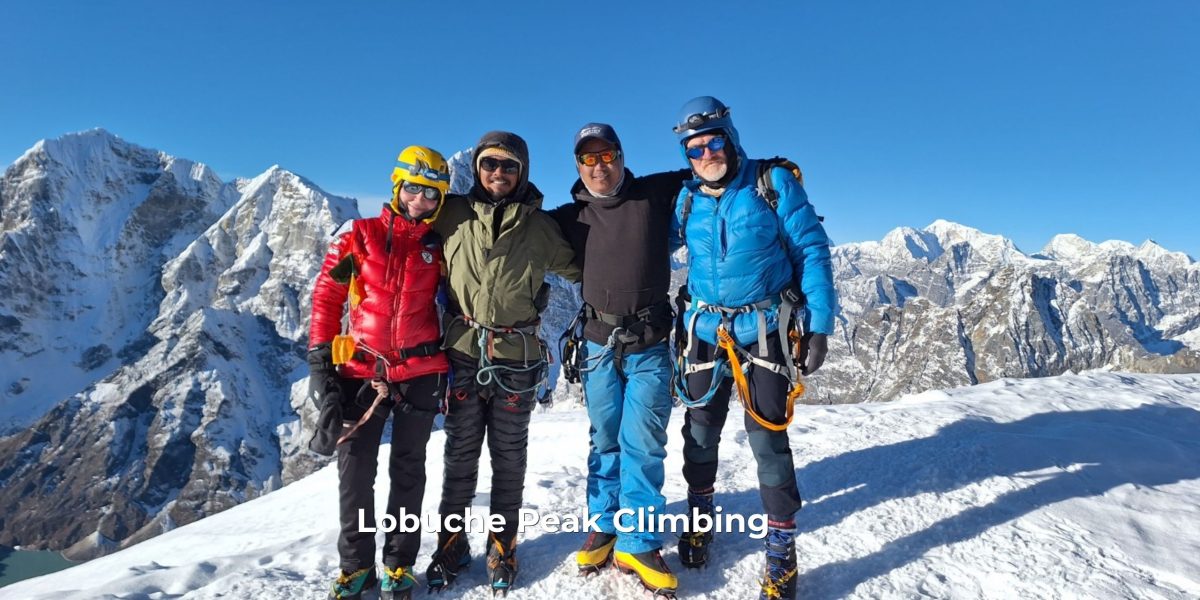
7. Is Lobuche East the Right Choice for Your First Climb?
Lobuche East may be a suitable first Himalayan summit for a beginner who has good fitness, sufficient preparation time, a realistic understanding of the technical demands, and access to professional guidance. However, it may not be the best first choice for someone with little hiking experience, poor physical conditioning, significant difficulty with heights, or no opportunity to learn basic mountaineering skills. In such cases, beginning with a less technically demanding trekking peak or gaining experience on a high-altitude trek may be a wiser approach. Every climber’s readiness is different, and a qualified guide or mountaineering professional can help assess whether the objective matches their experience and abilities.
Conclusion: Is Lobuche Peak Climbing for Begineers?
In conclusion, Lobuche East Peak Climbing is possible for some beginners, but it requires substantially more preparation than ordinary trekking. Its altitude, technical terrain, unpredictable weather, and demanding summit day make it a challenging Himalayan adventure. Beginners who develop their fitness, learn essential climbing techniques, follow a sensible acclimatization plan, and travel with experienced professionals can prepare more effectively for the climb. Nevertheless, reaching the summit cannot be guaranteed, and safety must always take priority over personal ambition. For adventure enthusiasts who are willing to train, learn, and respect the challenges of the mountains, Lobuche East can offer a memorable introduction to Himalayan mountaineering and a rewarding opportunity to explore Nepal’s magnificent Everest region.
Here is a polished, SEO-focused conclusion for your Lobuche Peak Climbing article, with a clear call to action for 2027 and 2028 bookings through Nepal Holiday Trip. It is written to support traditional SEO, AI search visibility, GEO (Generative Engine Optimization), and AEO (Answer Engine Optimization).
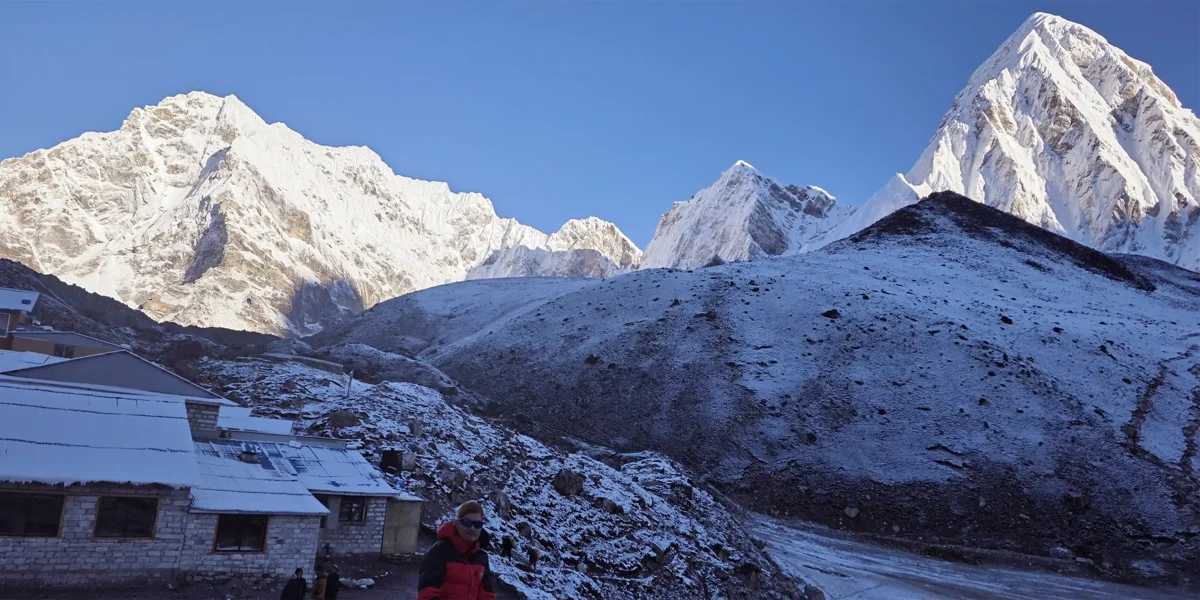
Conclusion: Lobuche Peak Climbing 2027/2028 – Your Himalayan Adventure Begins Here
Lobuche East Peak Climbing is an unforgettable Himalayan adventure that combines challenging mountaineering, breathtaking mountain scenery, and the rich cultural heritage of Nepal’s Everest region. Standing at 6,119 meters (20,075 feet), Lobuche East offers adventure enthusiasts the opportunity to experience high-altitude climbing while exploring iconic destinations such as Everest Base Camp, Kala Patthar, Namche Bazaar, and the beautiful Khumbu Valley. From spectacular views of Mount Everest, Lhotse, Nuptse, and Ama Dablam to the excitement of reaching a Himalayan summit, every stage of this journey creates lasting memories.
Is Lobuche Peak Climbing suitable for beginners? Lobuche East may be achievable for physically fit beginners who receive proper mountaineering training, follow an appropriate acclimatization schedule, and climb with qualified professionals. However, it is a challenging mountain that requires preparation, technical skills, and careful attention to altitude and weather conditions. Choosing an experienced local trekking and climbing company is essential for organizing permits, accommodation, transportation, climbing logistics, and safety arrangements.
Book Your Lobuche Peak Climbing Adventure for 2027/2028
Are you dreaming of standing on a Himalayan summit and experiencing the magic of the Everest region? Nepal Holiday Trip is welcoming inquiries and planning for the 2027 and 2028 travel seasons, including Himalayan trekking, peak climbing, and mountaineering adventures. Its published Lobuche Peak Climbing itinerary offers a 17-day journey combining Everest Base Camp trekking with the challenge of climbing Lobuche East.
Planning your expedition in advance gives you time to prepare physically, organize international flights, discuss your preferred departure dates, and arrange the necessary equipment and travel documents. Spring (March–May) and autumn (September–November) are the principal seasons to consider, subject to actual weather and climbing conditions.
Start planning your adventure with Nepal Holiday Trip:
Contact the Nepal Holiday Trip team to discuss your preferred travel season, availability, itinerary, group size, package cost, and climbing requirements. Although 2027/2028 inquiries are being accepted, confirm specific departure dates and booking availability directly with the company before making travel arrangements.
Your Himalayan dream starts with a plan. Prepare for the challenge, discover the beauty of the Everest region, and take the first step toward your Lobuche East Peak Climbing adventure with Nepal Holiday Trip.
Ready to plan your 2027/2028 expedition? Visit Nepal Holiday Trip and inquire about your Lobuche Peak Climbing adventure today.
TAGS: Book Your Lobuche Peak Climbing Adventure for 2027 Book Your Lobuche Peak Climbing Adventure for 2028 Climbing Lobuche Peak Is Lobuche Peak Climbing suitable for beginners Lobuche Peak Climbing Expeditions
Last updated on 24 Oct 2026
Dhruba Bhatta