14 Oct 2026 42 min to read
Upper Mustang, often described as Nepal’s “Last Forbidden Kingdom,” is one of the most distinctive and culturally significant destinations in the Himalayas. Located in the north-central part of Nepal, within Mustang District of Gandaki Province, the region lies near the Tibetan Plateau and shares a landscape, cultural heritage and historical identity closely connected to Tibet. Its dramatic desert-like terrain, ancient settlements, Buddhist monasteries and centuries-old traditions make it a remarkable destination for trekkers seeking an experience beyond Nepal’s more familiar Himalayan trails.
The region’s historical heart is the former Kingdom of Lo, whose walled capital, Lo Manthang, remains one of the most important cultural landmarks in Upper Mustang. For centuries, the kingdom developed through trans-Himalayan trade, particularly the exchange of salt, grain, wool and other goods between Tibet and the lower regions of Nepal. This trading network helped shape the area’s architecture, social structures, religious practices and distinctive Tibetan-influenced culture.
Upper Mustang remained restricted to foreign visitors until 1992, when Nepal began allowing limited access through a regulated trekking system. This long period of isolation helped preserve many of its traditional settlements, monasteries, murals and local customs. Although tourism, roads and modern communication have gradually transformed the region, Upper Mustang continues to retain a strong sense of cultural identity. The term “forbidden kingdom” is therefore a historical description rather than a reflection of its current accessibility, which remains subject to special permit requirements.
Geographically, Upper Mustang lies within the rain shadow of the Annapurna and Dhaulagiri mountain ranges. While much of Nepal receives heavy monsoon rainfall, this region experiences comparatively dry conditions, producing eroded cliffs, barren hills, deep river valleys and striking formations of red, brown and ochre rock. The Kali Gandaki Valley, one of the major geographical features of the area, provides a natural corridor through the Himalayas and has long connected settlements on both sides of the mountain range.
For trekkers, Upper Mustang offers a combination of high-altitude adventure, archaeological interest, spiritual heritage and extraordinary landscapes. From the gateway town of Jomsom to the ancient walled city of Lo Manthang, the journey reveals a region where geography and history are inseparable. Exploring Upper Mustang is not simply a trek through remote mountains; it is an opportunity to understand a living Himalayan culture shaped by centuries of adaptation, trade, faith and isolation.
2. Why Upper Mustang Is Unique — Rain Shadow, Ancient Caves and Tibetan Culture
Upper Mustang stands apart from other trekking destinations in Nepal because of its unusual combination of desert-like Himalayan landscapes, ancient archaeological sites and deeply rooted Tibetan cultural traditions. While destinations such as the Annapurna and Everest regions are widely associated with snow-covered peaks, green valleys and dense forests, Upper Mustang presents a different side of the Himalayas. Its barren cliffs, windswept plateaus, colorful rock formations and centuries-old settlements create an environment that feels closer to the Tibetan Plateau than to the lush foothills of Nepal.
2.1 The Rain-Shadow Landscape
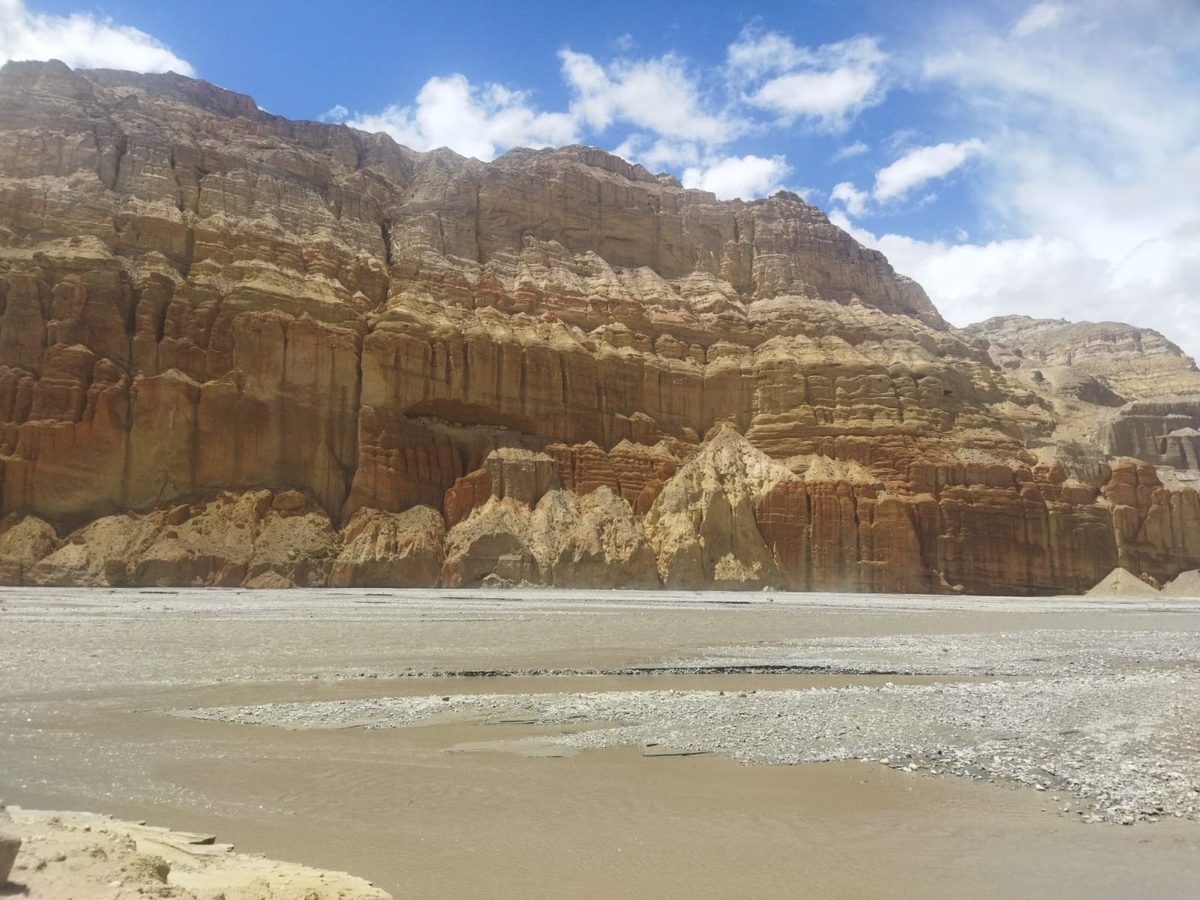
One of Upper Mustang’s most distinctive geographical features is its location in the rain shadow of the Annapurna and Dhaulagiri mountain ranges. These massive mountains intercept much of the moisture carried by monsoon winds, leaving the areas north of them comparatively dry. As a result, Upper Mustang receives significantly less rainfall than many other parts of Nepal.
This climatic condition has shaped the region’s appearance and way of life. The landscape is characterized by eroded sandstone cliffs, deep river valleys, rocky hills and open plateaus with sparse vegetation. Shades of red orange, brown, grey and ochre dominate the terrain, creating striking contrasts against the deep blue Himalayan sky.
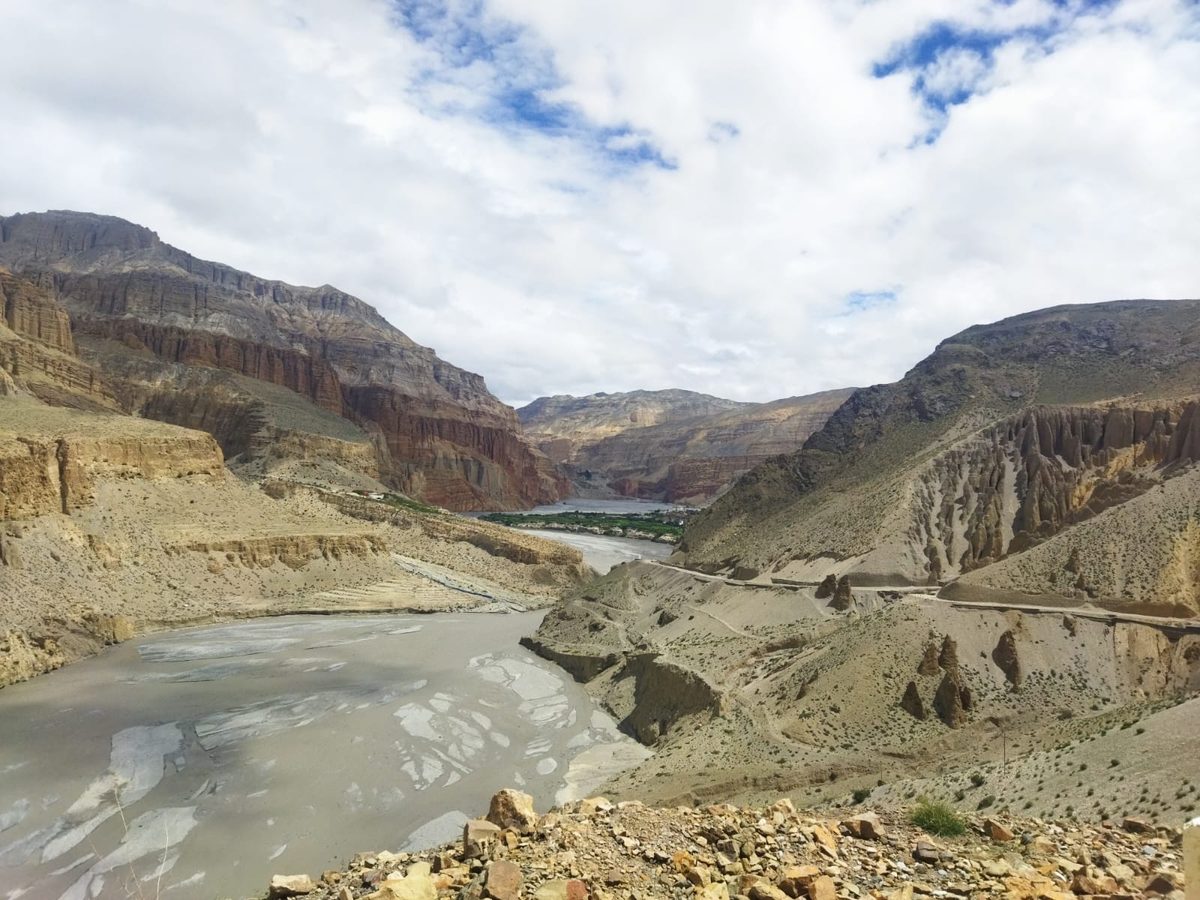
The Kali Gandaki Valley forms a major geographical corridor through the region. Its dramatic terrain reflects millions of years of geological processes, including erosion by wind and water. For trekkers, this means that the journey offers constantly changing scenery rather than a continuous landscape of forests and snow-covered mountains.
The dry climate also provides a practical advantage during the monsoon season, when parts of Nepal become difficult to access because of heavy rainfall and landslides. However, dry conditions do not guarantee easy travel; strong winds, dusty trails and changing mountain weather remain important considerations.
2.2 Ancient Caves and Archaeological Mysteries
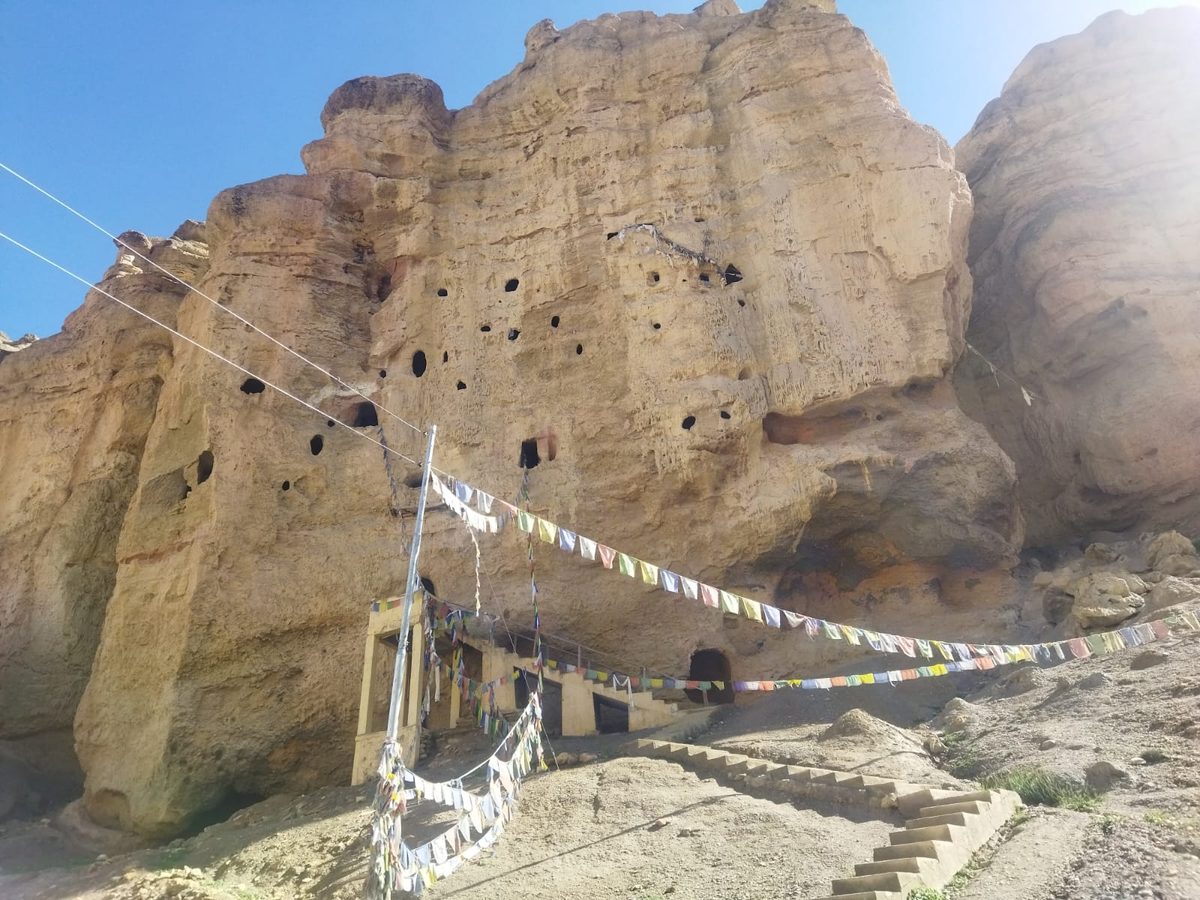
Upper Mustang is internationally recognized for its extraordinary network of caves carved into steep cliffs. Some cave complexes contain numerous interconnected chambers, while others feature evidence of historical occupation, burial practices, religious activity and settlement.
The caves near Chhoser, north of Lo Manthang, are among the best-known examples. Their locations high above the valley floor raise fascinating questions about how people accessed and used these spaces. Archaeological investigations in Mustang have uncovered evidence of ancient human activity, including burial sites, manuscripts and other cultural materials that help researchers understand the region’s past.
The precise origins and functions of individual cave systems vary and not every cave has been fully studied. Some may have served as dwellings, defensive refuges, meditation spaces, storage areas or burial chambers at different points in history.
These archaeological remains make Upper Mustang much more than a scenic trekking destination. They offer glimpses into the lives of communities that inhabited this remote Himalayan landscape long before modern tourism arrived. Visitors should explore only authorized sites and avoid touching fragile artefacts, inscriptions or wall paintings.
2.3 Tibetan Culture and the Kingdom of Lo
Upper Mustang’s cultural identity is closely connected to Tibetan Buddhism and the historical Kingdom of Lo. Local languages, religious practices, architecture, festivals and traditional lifestyles reflect centuries of cultural exchange across the Himalayan borderlands.
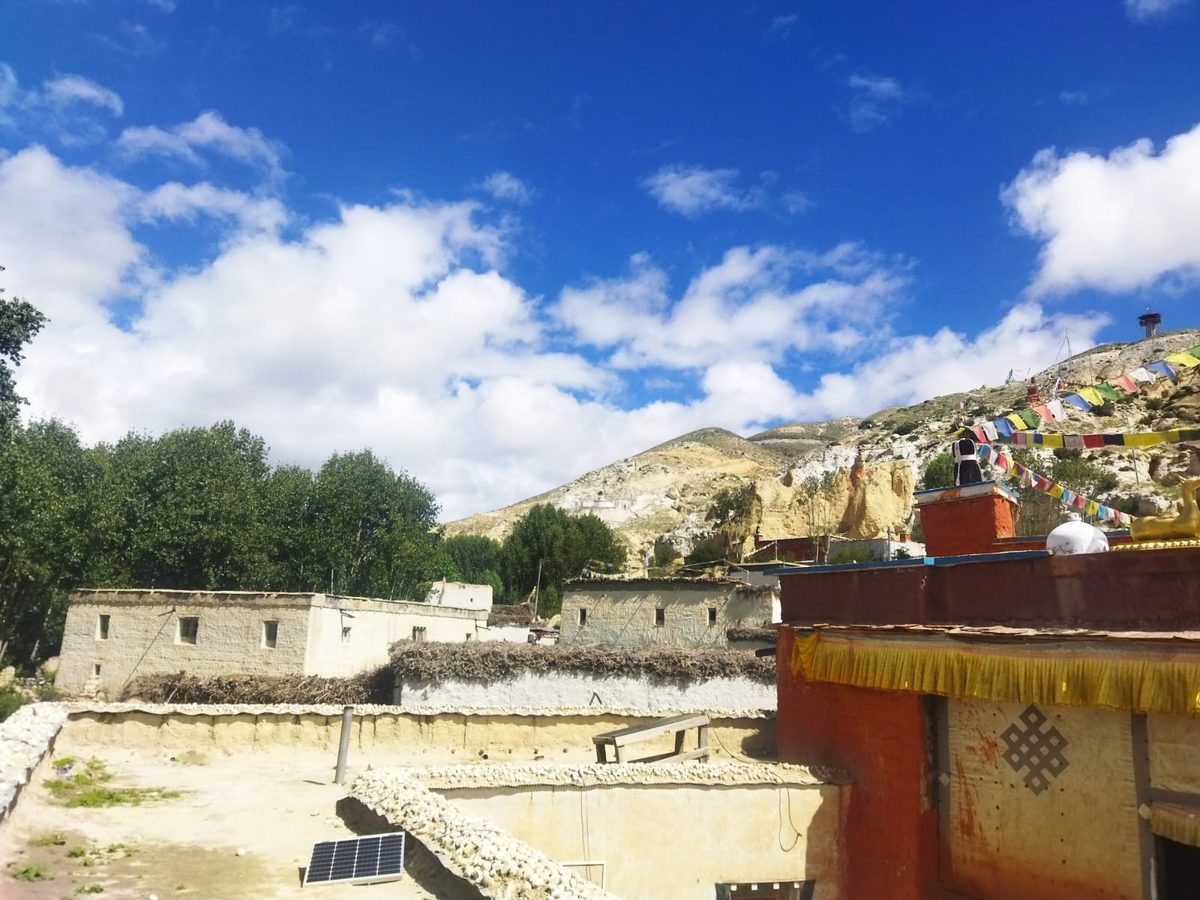
Lo Manthang, the former kingdom’s walled capital, is a major center of this heritage. Its traditional mud-brick buildings, narrow lanes, monasteries and historic royal structures illustrate how communities adapted to the region’s climate and geography. Thick earthen walls help insulate buildings against cold nights and strong winds, while compact settlements provide shelter in the exposed landscape.
Monasteries such as Jampa Lhakhang, Thubchen Gompa and Chode Gompa preserve important religious traditions and artistic heritage. Their murals, sculptures and ceremonial spaces reflect the influence of Tibetan Buddhist schools and local patronage over several centuries.
Traditional festivals, including the Tiji Festival in Lo Manthang, offer opportunities to observe the region’s living religious culture. The festival features masked dances and ceremonies associated with the triumph of good over evil and the restoration of harmony. Dates vary according to the Tibetan lunar calendar, so travelers should confirm the schedule before planning a visit.
2.4 A Destination Where Nature and History Intersect
What ultimately makes Upper Mustang unique is the relationship between its environment and its people. Limited rainfall influenced farming practices and settlement patterns; mountain passes supported trade; and religious institutions helped preserve cultural knowledge across generations.
Visiting the region therefore requires more than appreciating its dramatic scenery. Responsible travelers should respect local customs, seek permission before photographing people or religious ceremonies, dress appropriately at sacred sites and follow local guidance regarding restricted areas.
Upper Mustang’s appeal lies in this balance of geological wonder, archaeological significance and living tradition. It offers a rare opportunity to experience a Himalayan region where the landscape tells a story of natural forces, while ancient settlements and enduring cultural practices reveal how generations of people have made this challenging environment their home.
3. Permits, Regulations & Essential Logistics — Upper Mustang Trek
Upper Mustang is a restricted trekking region of Nepal and visiting it requires more preparation than trekking in many other Himalayan destinations. Travelers must understand the special permit system, conservation-area regulations, guide requirements, transportation arrangements and documentation needed before departure. Proper planning helps avoid administrative problems and ensures that the journey complies with Nepal’s current trekking regulations.
The following guide explains the principal requirements for international visitors. Permit rules, fees and enforcement procedures can change, so trekkers should confirm the latest requirements with Nepal’s Department of Immigration and an authorized trekking agency before travelling.
3.1 Restricted Area Permit (RAP)
The Restricted Area Permit (RAP) is the most important permit for foreign trekkers visiting Upper Mustang. The region has historically been protected through controlled access because of its sensitive border location, cultural heritage and distinctive environment.
International visitors generally need to arrange the RAP through a Nepal-registered trekking agency. Independent trekking without the required arrangements is not permitted under the standard restricted-area rules.
The permit is traditionally priced at US$500 per person for the first 10 days, with an additional US$50 per person for each extra day. These are widely published rates, but travelers should verify the current fee and applicable conditions before booking, particularly if their itinerary changes.
The permit generally applies to the restricted area north of Kagbeni. Trekkers should ensure that their permit covers their planned route and dates, including any overnight stays or side trips.
Applicants typically need a valid passport, a Nepal visa where applicable, passport photographs or digital copies if requested and an itinerary prepared through their trekking agency. The agency normally coordinates the application and checks the documents before the journey begins.
Because the RAP is date-sensitive, travelers should build some flexibility into their plans while ensuring that their actual travel remains within the permit’s validity.
Important 2026 update: The permit fee has changed. As of 2026, current travel-industry guides report a rate of US$50 per person per day inside the restricted area, replacing the older US$500 minimum for the first 10 days. A 10-day stay therefore costs US$500 per person in RAP fees.
3.2 Annapurna Conservation Area Permit (ACAP)
Upper Mustang falls within the Annapurna Conservation Area, making the Annapurna Conservation Area Permit (ACAP) another important requirement for foreign visitors.
The commonly published fee for foreign nationals is NPR 3,000 per person, while eligible SAARC nationals generally pay NPR 1,000. These rates should be confirmed before travel.
ACAP supports conservation activities, environmental management and community development within the protected area. Trekkers should follow local waste-management rules, avoid damaging natural features and respect wildlife and cultural sites.
The permit is commonly arranged through a trekking agency as part of the overall Upper Mustang package. Travelers should carry their permit documents and be prepared to present them at checkpoints.
3.3 Is a TIMS Card Required for the Upper Mustang Trek?
The Trekkers’ Information Management System (TIMS) card is used on many trekking routes in Nepal to record trekker details and support safety management. However, Upper Mustang has a separate restricted-area permit system and current trekking guides indicate that TIMS is not generally required for the Upper Mustang restricted section itself.
Requirements may differ for other sections of a longer journey, particularly if the itinerary includes trekking routes outside the restricted area. Ask your registered agency to confirm whether any additional documentation applies to your specific route.
Do not assume that a TIMS card replaces the RAP or ACAP. It does not.
3.4 Mandatory Guide and Trekking Agency
Foreign trekkers entering Upper Mustang must arrange their restricted-area permit through a registered Nepali trekking agency and travel with a licensed guide under the applicable rules. This requirement helps authorities monitor access and supports visitor safety in a remote region where services and communications can be limited.
When selecting an agency, verify its registration, clarify whether your guide holds the appropriate license and request a written itinerary and cost breakdown. Confirm whether the quoted package includes permits, guide wages, accommodation, meals, transport, insurance for staff and emergency arrangements.
The minimum-group rules for restricted areas have been subject to recent changes. Solo travelers should ask the agency to confirm the current rule with the Department of Immigration rather than relying on older guidebooks or outdated websites.
3.5 Essential Documents and Permit Application Process For Upper Mustang
Prepare the following documents before starting the trek:
- Valid passport with sufficient validity for the trip.
- Valid Nepal visa, where applicable.
- Passport photographs or digital copies, if requested.
- Detailed trekking itinerary with planned entry and exit dates.
- Travel insurance covering high-altitude trekking and emergency evacuation.
- Permit confirmations and the contact details of your trekking agency.
Your agency will normally submit the required application and coordinate the permit process. Begin arrangements several days before departure rather than leaving paperwork until the last minute.
Keep digital and printed copies of your passport, permits, insurance policy and emergency contacts. Carry the required permit documents during the trek, as officials may request them at checkpoints. Nepal Tourism Board guidance confirms that restricted-area permits must be obtained through the Department of Immigration and that trekkers must comply with their authorized routes.
3.6 Checkpoints, Route Restrictions and Responsible Travel
Kagbeni is the principal gateway to Upper Mustang. Officials may check permits and traveler details before allowing entry into the restricted region. Trekkers should follow the approved itinerary and avoid travelling beyond the areas authorized by their permits.
If you wish to extend your stay, visit additional settlements or change your route, consult your agency before proceeding. An unplanned change can affect your permit arrangements and travel schedule.
Respect local religious practices when visiting monasteries, stupas, prayer walls and other sacred places. Follow photography restrictions, ask permission before photographing residents and avoid disturbing archaeological remains. Travelers should also minimize plastic waste and use designated disposal facilities wherever available.
3.7 Transportation and Practical Logistics
Most itineraries begin with travel from Kathmandu to Pokhara, followed by a flight to Jomsom or a road journey through the lower Mustang region. Flights can be affected by wind and visibility, so allow buffer days for delays.
Road conditions vary considerably, especially on rough mountain tracks. If travelling by jeep, confirm the vehicle type, luggage arrangements, road conditions and whether the driver has experience on the intended route.
Mobile coverage and internet access can be unreliable in remote settlements. Carry sufficient cash in Nepali rupees, as card payments and ATMs may not be available throughout the journey. Inform family members of your itinerary and agree on a communication plan with your guide.
Before departure, confirm that your insurance covers trekking at the maximum altitude planned and includes helicopter evacuation if required. Discuss altitude-related symptoms and emergency procedures with your guide.
3.8 What are the Permit Cost Summary for Foreign Visitors for the Upper Mustang Trekking
| Requirement | Indicative cost |
| Restricted Area Permit (RAP) | US$50 per person per day |
| ACAP | NPR 3,000 per person for most foreign nationals |
| TIMS | Generally not required for the restricted Upper Mustang section |
| Licensed guide and agency | Depends on package and duration |
| Travel insurance | Depends on coverage and provider |
The RAP and ACAP are separate charges and guide services, accommodation, transport and meals are additional unless included in a package. The permit figures above reflect published 2026 guidance and should be verified before booking.
Key takeaway: Plan your Upper Mustang permits before travelling, use a registered agency and licensed guide and verify the latest official rules. Careful preparation will help you focus on the region’s extraordinary landscapes and cultural heritage rather than administrative complications.
4. What is the Best Time to Visit & Weather Dynamics for the Mustang Trekking
Choosing the right season is essential for a successful Upper Mustang trek. Although the region lies in the rain shadow of the Annapurna and Dhaulagiri mountain ranges, its high-altitude environment brings significant temperature changes, strong winds and occasional snowfall. The best time to visit depends on your preferred weather conditions, trekking experience, cultural interests and tolerance for cold.
Unlike many other trekking destinations in Nepal, Upper Mustang can be explored during parts of the summer monsoon season because it receives considerably less rainfall than regions south of the Himalayas. This distinctive climate makes it an attractive option when heavy rain affects popular trails elsewhere in Nepal.
4.1 Spring: March to May
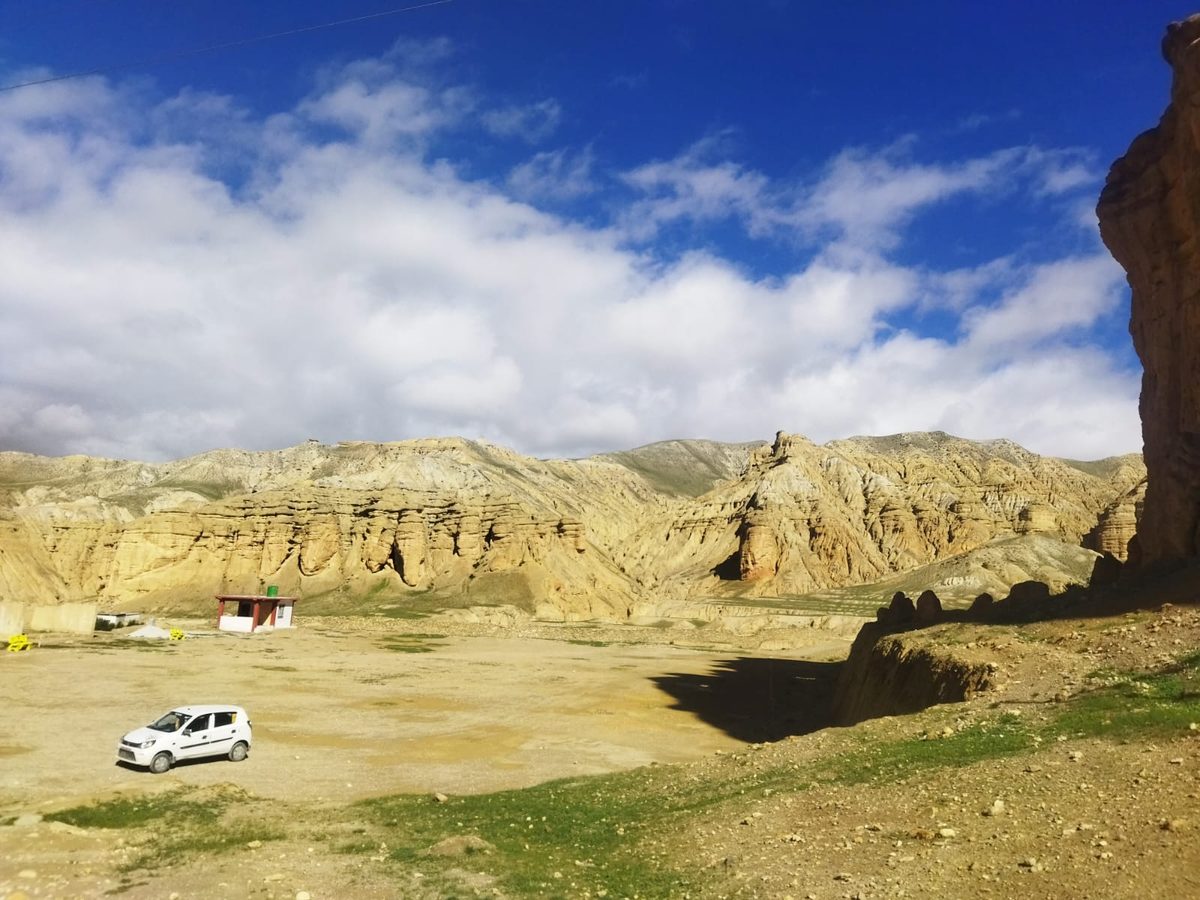
Spring is one of the most favorable seasons for trekking in Upper Mustang. Temperatures gradually rise, days become longer and trails generally become more comfortable for walking. The landscape remains predominantly dry, with colorful cliffs and barren hills creating striking contrasts against the blue sky.
Daytime temperatures in lower settlements can be pleasant, although conditions become colder at higher elevations and after sunset. Snow may remain on some higher routes early in the season, depending on winter conditions.
Spring is also an excellent period for travelers interested in local culture. The Tiji Festival in Lo Manthang usually takes place during May, although its dates vary according to the Tibetan lunar calendar. Visitors hoping to attend should check the official festival schedule and reserve accommodation and transport in advance.
Best for: Comfortable trekking conditions, cultural exploration, photography and attending local festivals.
4.2 Summer and Monsoon: June to August
Summer is a distinctive trekking season in Upper Mustang. While much of Nepal experiences heavy monsoon rainfall, the region’s position behind the Annapurna and Dhaulagiri ranges keeps it comparatively dry. This rain-shadow advantage allows trekkers to explore the ancient settlements and dramatic valleys when some other Himalayan routes become wetter and more difficult.
However, dry does not mean completely rain-free. Occasional showers can occur and roads leading to Mustang from lower regions may be affected by landslides, muddy sections or unstable conditions. Travelers should therefore assess the entire journey rather than considering only the weather inside Upper Mustang.
Strong afternoon winds are common in exposed valleys and open terrain. Dust can reduce visibility and walking may become more challenging later in the day. Starting early in the morning is often a practical strategy.
Summer can also bring warmer daytime temperatures at lower elevations, while nights remain cool. Lightweight layers, sun protection and a windproof outer shell are particularly useful.
Best for: Travelers seeking a relatively dry Himalayan destination during Nepal’s monsoon season and those interested in experiencing Upper Mustang’s distinctive landscapes in summer.
4.3 Autumn: September to November
Autumn is another excellent season for trekking in Upper Mustang. Following the monsoon, the atmosphere generally becomes clearer, offering excellent visibility of the surrounding Himalayan mountains and the region’s dramatic rock formations.
September can experience transitional weather, while October and November are generally more stable and popular with trekkers. Days are often suitable for walking, but temperatures fall considerably after sunset, particularly in higher settlements such as Lo Manthang.
Autumn is especially suitable for photographers, first-time high-altitude trekkers and travelers who priorities clear mountain views. However, popular accommodation and transportation services may be busier during peak trekking periods.
Best for: Clear skies, photography, comfortable trekking conditions and a first Upper Mustang experience.
4.4 Winter: December to February
Winter is the most challenging season for most visitors. Temperatures can fall below freezing, particularly at night and in exposed high-altitude settlements. Snowfall may affect higher routes, while strong winds make walking conditions more uncomfortable.
Some residents temporarily relocate to lower areas during the coldest months and certain lodges or local services may close. Consequently, travelers may have fewer accommodation and food options than during spring or autumn.
Winter trekking is possible with appropriate preparation, but it requires flexible planning, suitable cold-weather equipment and confirmation that accommodation and transport will be available.
Best for: Experienced travelers seeking solitude who can manage severe cold and limited services.
4.5 Wind, Temperature and Daily Weather
Strong winds are among Upper Mustang’s defining weather challenges. Exposed valleys and open plateaus can become particularly windy during the afternoon, carrying dust across trails and reducing comfort.
Trekkers should aim to begin walking early, carry sunglasses and a windproof jacket and maintain adequate hydration. Temperatures can change rapidly with elevation, sunlight, cloud cover and wind chill, so dressing in layers is essential.
4.6 Which Season Should You Choose for the Upper Mustang Trek?
| Season | Main advantage | Main consideration |
| Spring | Pleasant trekking conditions and cultural festivals | Cold mornings and occasional lingering snow |
| Summer/monsoon | Rain-shadow advantage and fewer trekkers | Wind, dust and possible transport disruption |
| Autumn | Generally clear skies and stable conditions | Greater demand during peak season |
| Winter | Quiet trails and fewer visitors | Severe cold and limited services |
For most travelers, March–May and September–November are the strongest overall choices. If your priority is trekking during Nepal’s monsoon, June–August is a worthwhile alternative because Upper Mustang is comparatively dry. Always check local forecasts and transport conditions before departure.
5. Comprehensive 14-Day Day-by-Day Detailed Itinerary — Upper Mustang Trek
A 14-day Upper Mustang itinerary offers a balanced combination of trekking, cultural exploration, archaeological discoveries and acclimatization. The route travels from Kathmandu to the gateway town of Jomsom, follows the Kali Gandaki Valley north through traditional Mustang settlements and reaches the ancient walled city of Lo Manthang before returning to Pokhara and Kathmandu.
This itinerary is designed for trekkers who want to explore Upper Mustang at a manageable pace rather than rushing through the region. It includes time to appreciate local architecture, Buddhist monasteries, dramatic canyon landscapes and the distinctive culture of the former Kingdom of Lo.
Actual walking distances and travel times depend on the route, road conditions, accommodation locations and whether sections are completed on foot or by vehicle. The itinerary should be finalized with a registered trekking agency and licensed guide.
Days 1–3: Arrival, Gateway Town and Acclimatization
Day 1: Arrive in Kathmandu
Overnight: Kathmandu | Main focus: Preparation and permits
Arrive in Kathmandu, Nepal’s capital and the main starting point for the trek. After checking into your hotel, meet your trekking agency to review the itinerary, confirm your Upper Mustang Restricted Area Permit (RAP) and Annapurna Conservation Area Permit (ACAP) and check your equipment.
Use the afternoon to organize your trekking bag, exchange money, purchase any missing supplies and obtain a local SIM card if needed. If time allows, explore Kathmandu’s historic streets or visit a nearby cultural landmark.
Your guide should review the planned route, altitude profile, transport arrangements, emergency contacts and insurance coverage. Check that your insurance includes high-altitude trekking and emergency evacuation.
Practical tip: Keep a buffer in your schedule for permit processing, flight delays and other unexpected changes.
Day 2: Kathmandu to Pokhara
Overnight: Pokhara | Approximate road journey: 6–8 hours
Travel from Kathmandu to Pokhara by tourist bus, private vehicle or domestic flight. Road travel offers views of terraced hillsides, rivers, rural settlements and the changing landscape of central Nepal, although journey times can vary considerably with traffic and road conditions.
Pokhara is an important gateway to the Annapurna region and provides an opportunity to rest before heading into Mustang. Once you arrive, check your equipment, purchase snacks and confirm the following day’s transportation.
If time permits, take a relaxed walk around Phewa Lake or enjoy views of the surrounding mountains. Avoid an exhausting sightseeing schedule because the following days involve travel to higher elevations.
Practical tip: If travelling by road, start early and keep essential medication, documents and valuables in your daypack rather than your main luggage.
Day 3: Pokhara to Jomsom
Overnight: Jomsom | Approximate flight time: 20–30 minutes, if operating
Travel to Jomsom, the principal gateway to Mustang. Flights between Pokhara and Jomsom offer dramatic views of the Annapurna and Dhaulagiri ranges, but services are weather-dependent and may be delayed or cancelled. Road travel is an alternative, although conditions can be rough and journey times unpredictable.
Jomsom sits at approximately 2,700 meters above sea level. The drier terrain, wide river valley and surrounding barren hills mark a noticeable change from the greener landscapes around Pokhara.
Spend the afternoon acclimatizing with a gentle walk around town. Visit local shops, observe traditional Mustang architecture and prepare for the journey north. Your guide should confirm the permit checkpoint arrangements and the next day’s route.
Practical tip: Avoid strenuous activity on arrival. Drink water regularly and pay attention to any unusual headache, nausea, dizziness or fatigue.
Days 4–8: Entering the Forbidden Kingdom and Reaching Lo Manthang
Day 4: Jomsom to Kagbeni
Overnight: Kagbeni | Elevation: approximately 2,800 m | Walking: 3–4 hours
Walk north from Jomsom through the Kali Gandaki Valley towards Kagbeni, a historic settlement traditionally regarded as the gateway to Upper Mustang. The trail passes through an open, windswept landscape with views of barren hills and the surrounding mountains.
Kagbeni is known for its narrow lanes, traditional mud-brick houses and historic Kag Chode monastery. Spend the afternoon exploring the village and learning about its role in trans-Himalayan trade.
Your guide should complete the necessary permit checks before entering the restricted area. Use the remaining time to rest and prepare for the longer walking days ahead.
Day 5: Kagbeni to Chele
Overnight: Chele | Elevation: approximately 3,050 m | Walking: 5–6 hours
The trek enters the heart of Upper Mustang as you follow the Kali Gandaki corridor towards Chele. Along the way, pass Tangbe, a traditional village characterized by whitewashed buildings, narrow passageways and cultivated fields.
The route reveals increasingly dramatic red cliffs and eroded rock formations. After continuing towards Chhusang, cross the river and climb towards Chele, where traditional houses are clustered against the rugged landscape.
The day involves a noticeable gain in elevation, so maintain a steady pace and take regular breaks. In the evening, enjoy a warm meal at a local teahouse and prepare for the higher passes ahead.
Day 6: Chele to Syangboche
Overnight: Syangboche | Elevation: approximately 3,475 m | Walking: 6–7 hours
This is one of the more demanding days of the trek. The trail climbs through exposed mountain terrain, crossing passes such as Taklam La and continuing through Samar, a small settlement surrounded by rugged hills.
The landscape changes repeatedly as the route passes deep gullies, colorful cliffs and elevated viewpoints. Prayer flags, chortens and traditional buildings provide reminders of the region’s Buddhist heritage.
Continue towards Syangboche, where you will spend the night at a local lodge. Drink sufficient water, walk slowly and report any symptoms of altitude sickness to your guide.
Day 7: Syangboche to Ghami
Overnight: Ghami | Elevation: approximately 3,520 m | Walking: 5–7 hours
Continue across high, open terrain towards Ghami, passing traditional settlements and sections of the route with broad views of Mustang’s desert-like hills. The trail crosses the Nyi La area, a high pass that provides a sense of the region’s elevation and remoteness.
Ghami is one of Upper Mustang’s larger traditional villages. Its surrounding fields, whitewashed buildings and historic religious structures make it a rewarding place to explore.
The village is particularly associated with a long mani wall, a stone structure bearing Buddhist prayers. Walk around the settlement with your guide and learn about the religious significance of these features.
Day 8: Ghami to Tsarang and Lo Manthang
Overnight: Lo Manthang | Elevation: approximately 3,840 m | Walking: 5–7 hours
Begin the journey towards Tsarang, also known as Charang. Its historic monastery and fortress-like structures reflect the architectural heritage of the former Kingdom of Lo.
Depending on your selected route and walking pace, explore Tsarang before continuing towards Lo Manthang, the historic walled capital. The final approach reveals a settlement rising from the broad, dry plateau, surrounded by an extraordinary landscape of eroded hills and open valleys.
After arriving, check into your accommodation and take a gentle walk through the town if time and energy permit. The following days are dedicated to exploring its cultural and archaeological attractions.
Days 9–11: Exploring Lo Manthang and Its Ancient Heritage
Day 9: Cultural Exploration of Lo Manthang
Overnight: Lo Manthang | Walking: 3–4 hours, excluding optional excursions
Dedicate the day to exploring Lo Manthang. Walk through its narrow streets, observe traditional architecture and visit accessible religious and cultural sites with your guide.
Important landmarks include Jampa Lhakhang, Thubchen Gompa and Chode Gompa. Their artistic and religious heritage provides insight into the Tibetan Buddhist traditions that shaped the region.
You may also learn about the former royal palace and the continuing importance of local customs. Ask permission before photographing residents or entering religious spaces and follow restrictions imposed by monastery authorities.
An overnight stay in Lo Manthang allows you to explore at a comfortable pace and appreciate the settlement beyond its appearance as a trekking destination.
Day 10: Excursion to Chhoser Caves
Overnight: Lo Manthang | Excursion: approximately 4–6 hours, depending on transport and walking
Travel north towards Chhoser, an area famous for its extraordinary cliffside caves. Some caves contain multiple chambers and archaeological research has revealed evidence of historic habitation, burial practices and religious activity.
Explore only caves that are open to visitors and considered safe by local authorities. Access conditions vary and some sites require local guidance or special permission.
The excursion offers a valuable opportunity to understand how people used the cliffs and surrounding terrain over centuries. Return to Lo Manthang in the afternoon for a relaxed evening and preparation for the return journey.
Day 11: Lo Manthang to Dhakmar
Overnight: Dhakmar | Elevation: approximately 3,800 m | Walking: 5–7 hours
Begin the return journey using a route that passes through the highlands near Ghar Gompa and the Chogo La area, subject to trail conditions and your guide’s assessment.
Ghar Gompa is an important religious site associated with the region’s Buddhist heritage. Its remote setting, traditional architecture and surrounding landscape make it a worthwhile stop.
Continue towards Dhakmar, a settlement famous for its striking red cliffs. These formations provide some of the most distinctive scenery of the trek. The day includes high-altitude walking, so maintain a measured pace and allow time for breaks.
Days 12–14: Returning to Kathmandu
Day 12: Dhakmar to Chhusang
Overnight: Chhusang | Walking: approximately 6–8 hours, depending on route
Continue south through the villages and valleys of Upper Mustang, retracing sections of the route through Ghami and lower settlements. The return journey provides a different perspective on familiar landscapes, particularly the contrast between the red cliffs, dry plateaus and cultivated areas.
Depending on the itinerary, your guide may adjust the walking distance or arrange vehicle support on suitable road sections.
Arrive in Chhusang and spend the evening resting at a local teahouse. Confirm the following day’s transportation arrangements, especially if you intend to visit Muktinath before returning to Pokhara.
Day 13: Chhusang to Muktinath and Pokhara
Overnight: Pokhara | Travel: variable, depending on road conditions and transport
Travel by vehicle towards Muktinath, a major pilgrimage destination revered by both Hindu and Buddhist communities. The temple complex and surrounding landscape offer an additional cultural dimension to the journey.
After your visit, continue towards Jomsom and travel to Pokhara by flight or road, depending on the arrangements and available services. A flight is faster but may be affected by weather; road travel can take considerably longer.
This is a long travel day, so keep your schedule flexible and avoid booking onward transport with an unrealistic connection time.
Day 14: Pokhara to Kathmandu
Journey: approximately 6–8 hours by road or a shorter domestic flight
Return to Kathmandu by tourist bus, private vehicle or domestic flight. The journey concludes your exploration of Upper Mustang’s ancient settlements, dramatic landscapes and Tibetan-influenced cultural heritage.
Once in Kathmandu, allow time to collect your luggage, rest and organize photographs and travel documents.
If you have an international flight departing the same day, allow sufficient contingency time. A separate overnight stay in Kathmandu is safer when flight delays or road disruptions could affect your departure.
6. Trek Difficulty, Altitude & Fitness Preparation for Mustang Trek
The Upper Mustang trek is generally considered a moderate to challenging high-altitude trekking experience. Although the region does not require technical climbing skills on the standard trekking routes, trekkers must be prepared for long walking days, steep ascents and descents, exposed trails, dry conditions and reduced oxygen availability at higher elevations. Appropriate fitness preparation and gradual acclimatization are essential for completing the journey safely and comfortably.
6.1 Understanding the Trek’s Difficulty
Most standard Upper Mustang itineraries involve approximately five to seven hours of walking on trekking days, although some stages may be longer. The terrain includes rocky paths, dusty tracks, river valleys, uneven surfaces and high mountain passes. Walking can become more demanding when strong winds, direct sunlight or loose gravel affect the trail.
The difficulty also depends on the itinerary. A route that includes additional villages, remote archaeological sites or the eastern circuit through Yara and Tangge may require longer walking days and more demanding ascents. Travelers using vehicle support on suitable sections may reduce their daily walking distance, but road conditions can be rough and unpredictable.
Previous trekking experience is helpful but not essential for every standard itinerary. Beginners who are physically fit, prepare adequately and walk with a licensed guide can undertake the trek, provided they understand the challenges of high altitude.
6.2 Altitude and Acclimatization
Altitude is one of the most important factors to consider when trekking in Upper Mustang. Jomsom lies at approximately 2,700 meters, while Lo Manthang is around 3,840 meters above sea level. Some routes cross passes exceeding 4,000 meters.
At these elevations, the air contains less available oxygen per breath. Trekkers may experience faster breathing, fatigue, reduced appetite, disturbed sleep or headaches as their bodies adjust to the altitude.
Acclimatization should be built into the itinerary rather than treated as an optional extra. Walk at a steady pace, avoid unnecessary exertion during the first few days, stay hydrated and allow time to rest. Alcohol and sedatives can worsen some altitude-related problems and should be avoided during acclimatization.
Recognize the symptoms of acute mountain sickness (AMS), particularly headache accompanied by nausea, dizziness, unusual fatigue or loss of appetite. If symptoms develop or worsen, stop ascending and inform your guide. Severe headache, confusion, difficulty walking straight or breathlessness at rest requires urgent medical assessment and descent. Do not continue climbing simply to keep to the schedule.
6.3 Physical Fitness Preparation
Begin preparing at least six to eight weeks before departure, ideally earlier if you are new to trekking. Focus on building cardiovascular endurance, leg strength, balance and the ability to walk for several hours with a light backpack.
Useful training activities include:
- Walking and hiking: Gradually increase duration and practice on uneven terrain.
- Cardiovascular exercise: Use brisk walking, cycling, swimming or similar activities to improve endurance.
- Leg strengthening: Include step-ups, squats, lunges and calf raises at an appropriate level.
- Core and balance training: Improve stability on rocky and uneven trails.
- Backpack practice: Train with the approximate weight you expect to carry.
Start with manageable sessions and increase the workload gradually. Include rest days and practice using your trekking boots before departure to reduce the risk of blisters.
6.4 Essential Safety and Fitness Considerations
Good physical fitness does not eliminate the risk of altitude sickness. Even experienced athletes can develop symptoms and individual responses to altitude vary.
Choose an itinerary that allows gradual ascent and adequate rest. Follow your guide’s advice, check weather forecasts and avoid walking alone on remote sections. Carry water, snacks, sun protection, warm layers and a basic first-aid kit.
Travel insurance should cover high-altitude trekking and emergency evacuation at the elevations planned. Discuss any relevant health or mobility concerns with a qualified healthcare professional before the trip, particularly if you have a condition that could affect your ability to exercise at altitude.
Ultimately, success on the Upper Mustang trek depends less on speed than on consistent preparation, sensible pacing and respect for the mountain environment. With realistic expectations, appropriate fitness training and a well-planned itinerary, trekkers can explore this remarkable Himalayan region while managing its physical challenges responsibly.
7. Accommodation, Food & Daily Life on the Trail — Teahouses, Dal Bhat and Water
Accommodation, food and daily routines are important parts of the Upper Mustang trekking experience. Although the region is remote and relatively dry, trekkers can generally find local teahouses and guesthouses along the main route. These establishments provide basic accommodation, freshly prepared meals and opportunities to experience the hospitality and traditional lifestyle of Mustang’s communities.
Facilities vary by settlement. Larger destinations such as Jomsom and Lo Manthang offer more choices, while smaller villages may have fewer rooms and simpler amenities. Travelers should maintain flexible expectations and priorities comfort, hygiene and adequate rest over luxury.
7.1 What is the Facilities of Accommodation can traveller expect during Upper Mustang Trek?
Teahouses are the principal accommodation option for trekkers following the standard Upper Mustang route. Most provide private or shared rooms with basic beds, mattresses, blankets and pillows. Bathrooms may be shared and hot showers may be available for an additional charge.
In larger settlements, some guesthouses offer attached bathrooms, improved heating, Wi-Fi and more comfortable rooms. However, these facilities should not be assumed to be available everywhere. Electricity, internet access and hot water may be limited by local infrastructure and weather conditions.
During peak trekking seasons, accommodation in popular villages can become busy. Booking through a trekking agency helps coordinate overnight stops, particularly for groups and travelers visiting during major festivals.
Temperatures can fall significantly at night, even when daytime conditions are pleasant. Carry a suitable sleeping bag or confirm the quality of available bedding with your agency. A sleeping bag liner can also improve comfort and hygiene.
Respect local customs within guesthouses, conserve water and ask before using facilities that may be shared with other guests or residents.
7.2 Food on the Trail: Dal Bhat and Local Cuisine
Food in Upper Mustang combines familiar Nepali trekking meals with dishes influenced by Tibetan culinary traditions. Menus vary by village, but trekkers can generally expect filling meals designed to provide energy for long walking days.
Dal bhat—rice, lentil soup, vegetables and accompanying dishes—is one of the most dependable choices. It supplies carbohydrates, protein and other nutrients needed for sustained activity. Other common options may include vegetable soups, noodles, fried rice, potatoes, eggs, porridge, Tibetan bread and momos.
In some settlements, travelers may encounter traditional foods such as thukpa, a noodle soup and tsampa, a roasted-grain flour commonly associated with Tibetan food culture. Local menus depend on availability, season and the individual teahouse.
Food choices can become more limited in remote villages and prices generally increase with distance from major supply centers. Travelers with dietary restrictions should inform their agency in advance and carry suitable backup snacks.
Eat regular meals and avoid relying exclusively on packaged snacks. High-altitude trekking increases energy demands, while cold weather can reduce appetite. Warm, carbohydrate-rich meals can be particularly helpful during demanding walking days.
7.3 Drinking Water and Hydration
Staying hydrated is essential in Upper Mustang because the climate is dry, the air is often windy and physical exertion increases fluid requirements. Cold conditions can also make trekkers less aware of thirst.
Bottled water is available in some settlements, but purchasing disposable bottles throughout the trek can be expensive and environmentally damaging. A reusable water bottle or hydration system is a more sustainable option.
Use treated water from reliable sources. Water can be purified with an appropriate filter, purification tablets or a suitable UV treatment device, depending on the source and the equipment used. Follow product instructions and ask your guide about local water conditions. Clear-looking mountain water is not necessarily safe to drink.
Carry enough water for each walking stage and refill whenever a reliable source is available. Avoid drinking untreated water from streams, rivers or unverified taps.
7.4 Electricity, Internet and Mobile Connectivity
Electricity and mobile connectivity vary throughout Upper Mustang. Larger settlements may offer charging facilities, Wi-Fi and mobile service, but coverage can be intermittent in remote valleys and higher areas.
Charging phones, cameras and power banks may incur additional fees. Carry a power bank and, if appropriate for your equipment, spare batteries. Keep electronic devices protected from dust and cold, which can reduce battery performance.
Do not rely on continuous internet access for navigation or emergency communication. Download offline maps, save important contact details and inform family members of your itinerary before leaving areas with reliable connectivity.
7.5 Daily Life and Cultural Respect
Daily life in Upper Mustang reflects a combination of traditional agriculture, livestock rearing, trade, religious practice and tourism. Depending on the season and village, visitors may see cultivated fields, prayer flags, monasteries, traditional homes and residents going about their daily activities.
Ask permission before photographing people, homes or religious ceremonies. Remove your shoes where requested, dress modestly when visiting monasteries and follow local instructions about sacred objects and restricted areas.
Support locally owned accommodation and food businesses when possible. Respectful behavior, responsible waste disposal and a willingness to learn about local customs help ensure that tourism benefits the communities that make Upper Mustang distinctive.
8. Ultimate Packing Checklist & Gear Guide
Packing correctly for the Upper Mustang trek is essential for comfort, safety and an enjoyable high-altitude experience. The region’s dry climate, strong winds, dusty trails, intense sunlight and cold nights require equipment that protects you from changing weather conditions. The goal is to carry everything necessary without making your backpack unnecessarily heavy.
Your final packing list should reflect the season, itinerary, accommodation arrangements and whether you will carry your own luggage or use a porter.
8.1 Clothing: Dress in Layers
Layering is the most practical approach to Upper Mustang’s variable temperatures. You may experience warm sunshine during the day, strong winds on exposed passes and freezing conditions after sunset.
- Base layers: Two or three moisture-wicking shirts and thermal tops and bottoms for colder conditions.
- Insulating layers: A fleece jacket or lightweight insulated mid-layer.
- Outer shell: A windproof, waterproof jacket and suitable trekking trousers.
- Warm clothing: A down or synthetic insulated jacket for cold mornings and evenings.
- Trekking trousers: Two pairs that allow comfortable movement.
- Underwear and socks: Enough for several days, including moisture-wicking trekking socks.
- Sleepwear: Comfortable clothing reserved for evenings and sleeping.
- Headwear: A warm beanie for cold weather and a sun hat or cap for daytime.
- Gloves: Lightweight trekking gloves and warmer insulated gloves for colder conditions.
During the summer monsoon, lightweight clothing remains useful, but a windproof layer and rain protection are still important. In winter, substantially warmer insulation may be necessary.
8.2 What are the Footwear and Trekking Accessories required for the Upper Mustang Trek?
Footwear should provide stability, comfort and protection on rocky, dusty and uneven terrain.
- Broken-in trekking boots with good grip and ankle support.
- Comfortable camp shoes or sandals for use in guesthouses.
- Trekking poles to reduce strain on knees during descents.
- Gaiters if dust, loose gravel or snow conditions make them useful.
- A small daypack with a comfortable hip belt.
- A rain cover or waterproof liner for your backpack.
Test your boots and socks during training walks before departure. New footwear can cause blisters, particularly on consecutive walking days.
Trekking poles are optional but helpful on steep descents and uneven surfaces. Make sure their length is adjusted correctly and practice using them before the trek.
8.3 Sleeping Gear and Personal Comfort
Most standard routes offer teahouse accommodation, so a tent is generally unnecessary unless you have arranged a specialized camping itinerary.
Consider packing:
- A sleeping bag suitable for the expected nighttime temperatures.
- A sleeping bag liner for added warmth and hygiene.
- Earplugs and an eye mask for shared accommodation.
- A quick-drying travel towel.
- Toiletries, including biodegradable soap where appropriate.
- Toilet paper, tissues and hand sanitizer.
- A small personal first-aid kit.
Confirm bedding arrangements with your trekking agency before deciding on the sleeping bag’s temperature rating. Colder seasons and higher overnight stops require warmer equipment.
8.4 Health, First Aid and Altitude Safety
Carry a compact medical kit for minor problems, but remember that equipment cannot replace professional medical assessment.
Essential items include:
- Personal prescription medicines in their original packaging.
- Blister dressings and adhesive bandages.
- Antiseptic wipes and basic wound-care supplies.
- Sunscreen with high SPF and lip balm with sun protection.
- Sunglasses with effective UV protection.
- Oral rehydration salts.
- Any medication recommended by your healthcare professional.
- Travel insurance details and emergency contact information.
Discuss altitude-related risks with a qualified healthcare professional before departure. Medication for altitude sickness should be used only with appropriate medical guidance. Your guide should understand the symptoms that require stopping ascent and arranging descent or emergency care.
8.5 Electronics, Documents and Money
Keep essential documents secure and accessible throughout the trek.
- Passport and required trekking permits.
- Copies of travel insurance and emergency contacts.
- Sufficient Nepali rupees for accommodation, meals, showers, charging and incidental expenses.
- Mobile phone with offline maps downloaded.
- Power bank and charging cables.
- Camera and spare batteries, if needed.
- Headlamp with spare batteries.
- Reusable water bottles or a hydration bladder.
- Water purification equipment suitable for the intended water sources.
Cash is particularly important because card payments and ATMs may be unavailable in smaller settlements. Keep some money separate from your main wallet.
8.6 Water, Food and Sun Protection
Upper Mustang’s dry, exposed terrain makes hydration and sun protection priorities.
Carry enough water for each walking stage, adjusting the amount to the weather, route and availability of refill points. A reusable bottle, purification tablets or an appropriate filter can reduce dependence on disposable plastic bottles.
Useful snacks include nuts, dried fruit, energy bars and other lightweight foods that tolerate changing temperatures. Carry enough for unexpected delays without relying on snacks as a substitute for regular meals.
A wide-brimmed hat, sunglasses, sunscreen and a lightweight face covering can help protect against intense sunlight and blowing dust.
8.7 Packing Checklist Before Departure to the Upper Mustang Trek
Use this final checklist when preparing your backpack.
- Layered clothing and insulated jacket
- Broken-in trekking boots and trekking socks
- Warm hat, sun hat and gloves
- Windproof outer shell and rain protection
- Sleeping bag appropriate for the season
- Daypack, backpack liner and trekking poles
- Personal medicines and first-aid supplies
- Sunscreen, sunglasses and lip balm
- Water bottles and purification equipment
- Headlamp and spare batteries
- Phone, power bank and offline maps
- Passport, permits, insurance and emergency contacts
- Sufficient cash in Nepali rupees
- Reusable toiletries and personal hygiene supplies
8.8 How Much Should Your Backpack Weigh?
For a self-carried daypack, aim for approximately 5–8 kg, depending on your water supply, clothing and personal needs. If you use a porter, keep your daypack limited to essentials and confirm the agency’s luggage-weight restrictions before departure.
Avoid packing duplicate heavy items or unnecessary equipment. At the same time, do not sacrifice essential warmth, hydration or medical supplies merely to reduce weight.
The key principle: Pack for cold, wind, sun and dust, even when the forecast looks favorable. A carefully organized backpack will make long walking days more comfortable and help you respond to changing conditions in Upper Mustang.
9. Budgeting & Cost Breakdown — How Much Does the Upper Mustang Trek Cost?
The cost of trekking in Upper Mustang depends on the season, trip duration, transportation choices, accommodation standards, group size and level of service. Because Upper Mustang is a restricted region, its special permit fees make it more expensive than many standard trekking routes in Nepal. Planning a realistic budget in advance helps prevent unexpected expenses and allows you to choose an itinerary that suits your finances.
9.1 What are the Major Trekking Expenses for the Upper Mustang Trekking?
The following estimates are intended for international travelers undertaking a 14-day trip. Actual prices vary by trekking agency, itinerary and current permit regulations.
| Expense category | Estimated cost per person |
| Upper Mustang Restricted Area Permit | US$500 for 10 days; additional days charged separately |
| Annapurna Conservation Area Permit | Approximately NPR 3,000 |
| Guide and agency services | US$300–600 |
| Accommodation and meals | US$350–650 |
| Transportation | US$100–350 |
| Travel insurance | US$50–150 |
| Personal expenses and snacks | US$50–150 |
Important: Verify the current Restricted Area Permit rate before booking. Under the reported 2026 rate of US$50 per person per day, a 10-day restricted-area stay costs US$500 and longer stays cost more. Your exact permit expense depends on the number of days spent inside the restricted area.
9.2 Estimated Total Budget
For a typical 14-day trip, a reasonable preliminary budget is approximately US$1,500–2,800 per person, excluding international flights, Nepal visa fees and personal shopping. The final cost may be lower for a larger group sharing guide and transport expenses or higher for private vehicles, premium accommodation and additional excursions.
Budget travelers should focus on shared transport, locally operated guesthouses and simple meals. Travelers seeking greater comfort may prefer private transport, better rooms and a more flexible itinerary.
9.3 Ways to Manage Your Expenses
Book through a registered trekking agency and request an itemized quotation. Confirm whether permits, guide wages, meals, accommodation, transport and emergency arrangements are included. Compare complete packages rather than choosing solely on the advertised price.
Carry sufficient Nepali rupees because smaller villages may have limited banking facilities. Keep an additional emergency reserve for flight delays, extra accommodation or unexpected transport changes.
Final budgeting tip: Set aside a contingency of around 10–15% beyond your planned expenses. This provides flexibility when weather, road conditions or other circumstances disrupt the itinerary. Always obtain an updated quotation before departure because permit rules and local prices can change.
10. Conclusion: Why Upper Mustang Trek Should Be on Your Nepal Trekking Bucket List
Upper Mustang is more than a trekking destination; it is a journey into one of the Himalayas’ most extraordinary landscapes and culturally significant regions. From the dramatic cliffs and barren valleys shaped by centuries of natural erosion to the ancient monasteries, historic cave systems and walled city of Lo Manthang, the region offers an experience that combines adventure, history, spirituality and cultural discovery.
Its distinctive rain-shadow climate makes Upper Mustang an appealing alternative to Nepal’s more familiar trekking destinations, particularly during the monsoon season. Yet the region’s appeal extends far beyond its weather and scenery. Its Tibetan-influenced traditions, centuries-old settlements and historical connections to trans-Himalayan trade provide a rare opportunity to understand how communities have preserved their cultural identity in a remote and challenging environment.
A successful Upper Mustang trek requires thoughtful preparation. Securing the appropriate permits, arranging a licensed guide, choosing a suitable season, preparing physically for high-altitude walking and budgeting realistically all contribute to a safer and more rewarding journey. Travelers should also remain flexible, as weather conditions, transportation disruptions and changing trail conditions can affect even carefully planned itineraries.
Equally important is the responsibility to protect the region’s natural and cultural heritage. Visitors can contribute by supporting locally owned businesses, reducing plastic waste, respecting religious customs, seeking permission before taking photographs and following restrictions at archaeological sites. Responsible tourism helps ensure that the benefits of travel reach local communities while preserving the landscapes and traditions that make Upper Mustang unique.
Whether you are drawn by the adventure of trekking through remote Himalayan valleys, the mystery of ancient cliffside caves, the beauty of Tibetan Buddhist architecture or the opportunity to experience a distinctive Himalayan culture, Upper Mustang offers a journey that extends beyond physical exploration.
Ultimately, the lasting value of visiting Nepal’s Last Forbidden Kingdom lies in the connection it creates between traveler, landscape and history. With careful planning, cultural sensitivity and a commitment to responsible travel, the Upper Mustang trek can become an unforgettable exploration of a remarkable Himalayan region—one where ancient traditions endure amid some of Nepal’s most striking scenery.
TAGS: Cost Permits Upper Mustang Trekking Upper Mustang Trekking Guide: Route What are the Major Trekking Expenses for the Upper Mustang Trekking What are the Permit Cost Summary for Foreign Visitors for the Upper Mustang Trekking What is the Best Time to Visit & Weather Dynamics for the Mustang Trekking Why Upper Mustang Is Unique
Last updated on 14 Oct 2026
Dhruba Bhatta