Kathmandu locals have known about Langtang for years. While tourists queue for flights to Lukla or drive six hours to Pokhara, people who actually live in Nepal head north. Seven to eight hours by road, no domestic flights, no weather delays, no Lukla flight. Just a jeep ride up the Trishuli valley, and you’re at the Langtang Region. The Langtang region sits directly north of Kathmandu on the Tibetan border, inside one of Nepal’s best national parks. It has 7,000-metre peaks, sacred alpine lakes, ancient monasteries, red pandas in the rhododendron forests, and a Tamang culture that hasn’t been diluted by decades of mass tourism. It’s one of the most complete trekking experiences in Nepal, and it costs a fraction of what you’d spend in the Everest or Annapurna regions.
What Makes the Langtang Region Worth It
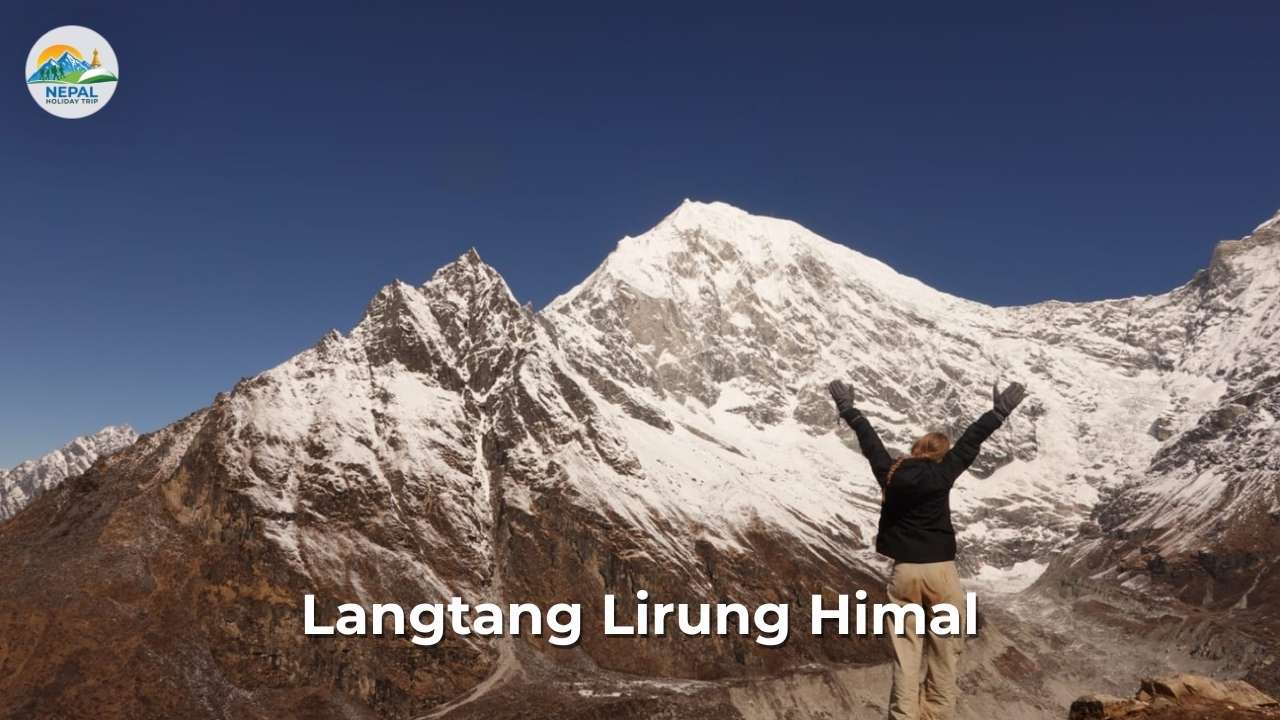
The Langtang region covers 1,710 sq km inside Langtang National Park, one of the largest protected areas in Nepal and a hotspot for biodiversity. The trail starts in Syabrubesi, a small town which follows the Langtang Khola river through thick oak, pine, bamboo, and rhododendron forests before the valley opens up into wide alpine terrain with Langtang Lirung (7,227 m.)
What makes this region genuinely different from Everest and Annapurna isn’t just the lower cost and fewer crowds. It’s the culture. The Tamang people have lived here for centuries, and their villages, monasteries, mani walls, and way of life haven’t been smoothed out for tourists. You’ll sit in someone’s kitchen, eat what the family eats, and understand a little of what mountain life actually looks like. Kyanjin Gompa, the last village of the main trek, has an ancient monastery, a yak cheese factory that’s been running for decades, and views of glaciers from the teahouse.
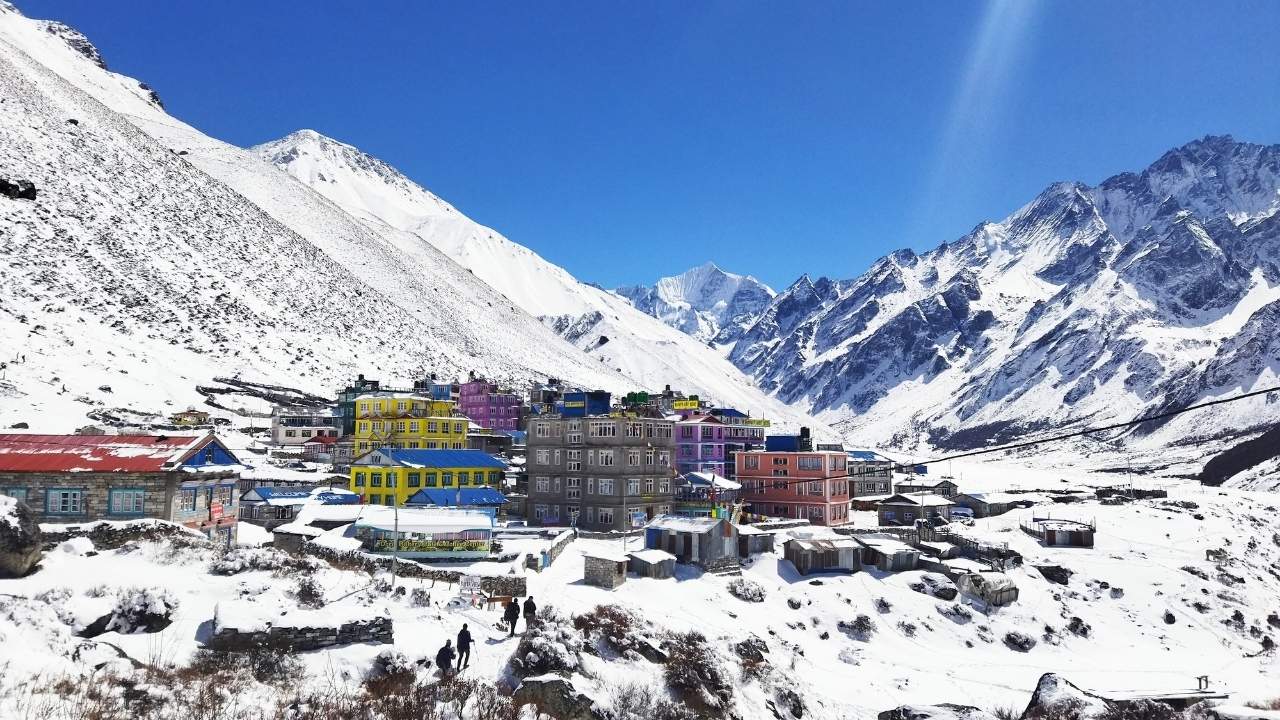
2015 Earthquake Update: The 2015 earthquake buried Langtang Village under a massive landslide, killing over 300 people. The community rebuilt. Today, the rebuilt village is one of the most moving stops on the trail. When you eat and sleep there, you’re directly supporting families who lost everything and started again.
All Packages with Pricing from Nepal Holiday Trip
Every trek below uses our own Kathmandu-based team. No flights needed, no overseas booking fees, no hidden charges. All packages include jeep transport from Kathmandu, all permits, a licensed guide, a porter, teahouse accommodation, and full-board meals on trail. Prices are per person for a group of two. Solo supplement is around $80.
| Package Name |
Days |
Max Alt. |
Difficulty |
NHT Price |
Tag |
What You Get |
| Langtang Valley Trek |
9 Days |
4,984 m |
Moderate |
$699 |
Most Popular |
Includes a day hike to Tserko Ri (4,984 m) for 360-degree Himalayan views. Recommended for first-timers. |
| Gosaikunda Lake Trek |
7 Days |
4,380 m |
Moderate |
$599 |
Pilgrimage |
Straight to the sacred Gosaikunda Lake without the full valley route. Great short spiritual trek. |
| Langtang and Gosaikunda Trek |
12 Days |
4,610 m |
Moderate |
$849 |
Two in One |
Langtang Valley trek to Kyanjin Gompa plus the Gosaikunda Lakes via Lauribina La pass at 4,610 m. |
| Tamang Heritage Trail |
9 Days |
3,165 m |
Easy-Moderate |
$699 |
Cultural |
Village-to-village trail through Tamang communities. Hot springs, monasteries, traditional homestays. |
| Langtang with Tamang Heritage |
14 Days |
4,984 m |
Moderate |
$999 |
Circuit |
Full regional experience combining the valley, Kyanjin, Tserko Ri, and the Tamang cultural trail. |
| Ganja La Pass Trek |
14 Days |
5,130 m |
Moderate-Hard |
$1,099 |
Challenging |
Crosses the Ganja La pass (5,130 m) into Helambu. Technical snow crossing. Serious mountain experience. |
| Langtang Circuit with Helambu |
16 Days |
5,130 m |
Moderate-Hard |
$1,149 |
Circuit |
The full Langtang loop taking in the valley, Gosaikunda Lakes, Ganja La, and Helambu villages. |
| Kyanjin Gompa Short Trek |
5 Days |
3,870 m |
Easy |
$499 |
Short Trek |
For trekkers with limited time. Straight in to Kyanjin Gompa and back. No acclimatisation issues. |
Which Langtang Trek Do People Actually Choose?
Langtang sees around 5,000 to 8,000 trekkers per year, a fraction of the footfall on Everest or Annapurna routes. Here’s how those visitors are split across the main routes, based on permit data and teahouse booking patterns.
| Trek Route |
Share |
Why It’s Chosen |
| Langtang Valley Trek (7-9 days) |
~52% |
The go-to Langtang route. Accessible, culturally rich, and delivers Himalayan views without altitude extremes. |
| Langtang and Gosaikunda |
~22% |
Trekkers who want both the valley and a sacred lake in one trip. More rewarding for the extra days. |
| Tamang Heritage Trail |
~12% |
Growing fast. Perfect for culture-first trekkers who want village life over summit views. |
| Ganja La Pass Trek |
~8% |
For experienced trekkers who want a real high-pass crossing and the full Helambu circuit. |
| Gosaikunda Short Trek |
~6% |
Budget-friendly and fast. Often chosen by pilgrims or trekkers with only a week to spare. |
Langtang Region Trek Difficulty
One of Langtang’s biggest advantages is that most routes are genuinely beginner-friendly. The valley trek tops out at 3,870 m at Kyanjin Gompa, well below the altitude thresholds where serious AMS risk kicks in. Even the Tserko Ri side hike at 4,984 m is a single-day outing without an overnight at that elevation. The ratings below cover all nine packages.
| Trek Name |
Days |
Daily Hrs |
Max Alt. |
AMS Risk |
Fitness Needed |
Tech Skill |
Overall Difficulty |
| Langtang Valley Trek (9 days) |
9d |
5-6 hrs |
4,984 m |
■■□□□ 2/5 |
■■□□□ 2/5 |
■□□□□ 1/5 |
■■□□□ 2/5 |
| Langtang and Gosaikunda |
12d |
5-7 hrs |
4,610 m |
■■□□□ 2/5 |
■■■□□ 3/5 |
■□□□□ 1/5 |
■■■□□ 3/5 |
| Tamang Heritage Trail |
9d |
4-6 hrs |
3,165 m |
■□□□□ 1/5 |
■■□□□ 2/5 |
■□□□□ 1/5 |
■■□□□ 2/5 |
| Langtang with Tamang Heritage |
14d |
5-6 hrs |
4,984 m |
■■□□□ 2/5 |
■■■□□ 3/5 |
■□□□□ 1/5 |
■■■□□ 3/5 |
| Ganja La Pass Trek |
14d |
6-8 hrs |
5,130 m |
■■■□□ 3/5 |
■■■■□ 4/5 |
■■■□□ 3/5 |
■■■■□ 4/5 |
| Langtang Circuit with Helambu |
16d |
5-8 hrs |
5,130 m |
■■■□□ 3/5 |
■■■■□ 4/5 |
■■□□□ 2/5 |
■■■■□ 4/5 |
| Kyanjin Gompa Short Trek |
5d |
4-5 hrs |
3,870 m |
■□□□□ 1/5 |
■□□□□ 1/5 |
■□□□□ 1/5 |
■□□□□ 1/5 |
Who can do Langtang? Almost anyone with a reasonable level of fitness. The standard 7 or 9-day valley trek doesn’t require previous trekking experience. Children above 8 and fit adults over 60 regularly complete it. The Ganja La Pass is the only technically demanding route in the region and needs a confident, experienced trekker. If you’re unsure which suits you, just ask us.
Month by Month Weather in the Langtang Valley
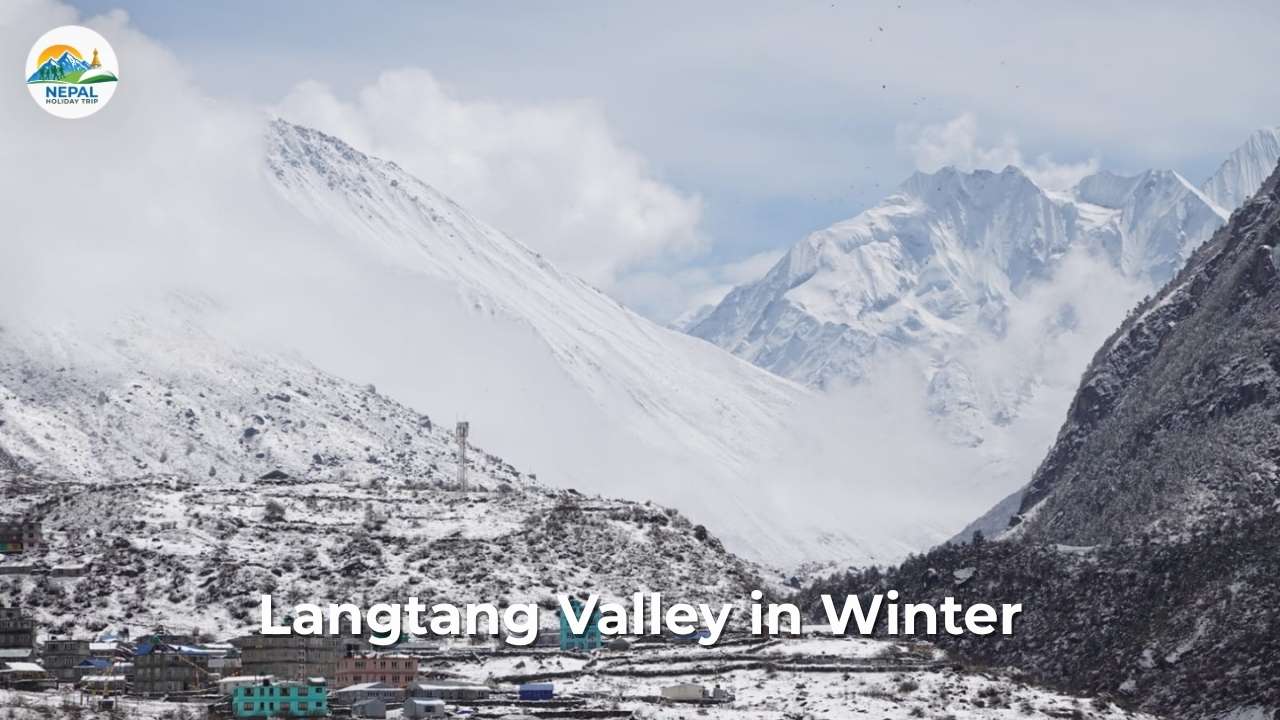
Temperatures below are recorded around Kyanjin Gompa at 3,870 m. Lower sections like Lama Hotel (2,480 m) run 5 to 8 degrees warmer. Because Langtang is accessed by road rather than by flight, weather delays are less of a problem here than on EBC or Annapurna routes.
| Month |
Temp (night/day) |
Crowds |
Season |
What to Expect on Trail |
| Jan |
-8 / +5°C |
Very Low |
Winter |
Cold and quiet. Higher trails above 3,500 m can be snowy. Beautiful clear days if you’re well-equipped. |
| Feb |
-5 / +8°C |
Low |
Winter |
Cold improving. Rhododendrons start blooming in the lower forests near Lama Hotel. |
| Mar |
0 / +12°C |
Medium |
Spring |
Spring picks up. Forests come alive with pink and red rhododendron. One of the most beautiful months on trail. |
| Apr |
+4 / +16°C |
Very High |
Spring |
Peak spring. Warm, stable, and gorgeous. Rhododendrons peak. One of the two best months to go. |
| May |
+6 / +18°C |
High |
Spring |
Still excellent. Warmer than April. Some afternoon clouds build toward late May as monsoon approaches. |
| Jun |
+8 / +20°C |
Very Low |
Monsoon |
Monsoon starts. Trails get muddy, leeches appear in lower forests. Not the best time for most trekkers. |
| Jul |
+9 / +21°C |
Very Low |
Monsoon |
Wet season peak. Rain-soaked trails. Lush green landscape but limited mountain views. |
| Aug |
+8 / +20°C |
Very Low |
Monsoon |
Pilgrims head to Gosaikunda during Janai Purnima festival. Otherwise off-season. Discounts available. |
| Sep |
+5 / +16°C |
Medium |
Autumn |
Monsoon clears. Trails recovering. Great visibility returns by late September. |
| Oct |
+2 / +14°C |
Very High |
Autumn |
Best month. Crystal-clear skies, dry trails, Dashain festival in villages. Book well ahead. |
| Nov |
-3 / +10°C |
High |
Autumn |
Excellent views and fewer crowds than October. Cooler nights. A great choice for a quieter trek. |
| Dec |
-6 / +6°C |
Low |
Winter |
Winter arrives. Trails above 3,500 m can see snow. Quiet but doable with the right gear. |
Best months to visit: April is the top pick. The rhododendrons are in full bloom below 3,500 m, the skies are stable, and the daytime temperatures are comfortable at altitude. October is a close second with crystal-clear views after the monsoon. For the quietest trek with good visibility, November is worth serious consideration.
Stop by Stop from Syabrubesi to Tserko Ri (Langtang Valley)
Unlike the Everest trek, the Langtang Valley route has no mandatory acclimatisation day built in for most itineraries, because the sleeping altitude stays well below 4,000 m until Kyanjin Gompa. That said, we always recommend spending two nights at Kyanjin before attempting the Tserko Ri or Kyanjin Ri side hikes.
| Landmark / Stop |
Altitude (m) |
Altitude (ft) |
What Happens Here |
| Syabrubesi |
1,550 m |
5,085 ft |
7 to 8-hour drive from Kathmandu. Start of the trek. Lively village on the Langtang river. |
| Bamboo |
1,960 m |
6,430 ft |
First teahouse section. Dense bamboo and rhododendron forest with the river below. |
| Lama Hotel |
2,480 m |
8,136 ft |
Popular first overnight stop. Comfortable teahouses in a clearing by the Langtang Khola. |
| Ghoda Tabela |
3,020 m |
9,908 ft |
Army post and open meadow where the valley widens. First clear views of big peaks ahead. |
| Langtang Village |
3,430 m |
11,253 ft |
Rebuilt after the 2015 earthquake. Tamang-style stone houses, mani walls, and prayer flags. |
| Mundu |
3,543 m |
11,624 ft |
Peaceful settlement with yak pastures. Great views of Langtang Lirung from the lodges. |
| Kyanjin Gompa |
3,870 m |
12,697 ft |
The end of the valley trail. Ancient monastery, yak cheese factory, and glacier views. Worth 2 nights. |
| Kyanjin Ri |
4,773 m |
15,659 ft |
Side hike from Kyanjin Gompa. 360-degree panorama of the Langtang range. Half-day return. |
| Tserko Ri |
4,984 m |
16,352 ft |
Highest trekking point. Full-day hike with views of 7,000 m peaks in all directions. Unforgettable. |
What’s Included and What You Pay Separately
Langtang’s lower cost makes it one of the easiest regions to budget for. No domestic flights, no Lukla surcharges, and permit costs are lower than the Everest region. Here’s the full breakdown of what comes with an NHT package and what you handle yourself.
| Item |
Included in NHT Package |
Pay Separately |
| Jeep transport Kathmandu to Syabrubesi and return |
Yes – private or shared jeep |
– |
| All trekking permits (Langtang NP + TIMS) |
Yes – both included |
– |
| Experienced, licensed trekking guide |
Yes – 1 per group |
– |
| Porter service (up to 15 kg per 2 trekkers) |
Yes – included |
– |
| Teahouse accommodation (twin-share) |
Yes – all nights |
– |
| 3 meals per day on trail |
Yes – full-board |
– |
| All ground transport during the trek |
Yes |
– |
| Emergency first-aid kit with guide |
Yes |
– |
| Certificate of completion |
Yes |
– |
| Kathmandu hotel nights |
On request (+$40/night) |
– |
| Nepal visa |
– |
$30 (15 days) or $50 (30 days) – paid on arrival |
| Travel and rescue insurance |
– |
Required – buy separately (around $80-$150). Essential. |
| International flights to Kathmandu |
– |
Arrange independently |
| Hot shower on trail |
– |
NPR 100-300 per shower at most teahouses |
| Wi-Fi at teahouses |
– |
NPR 200-500 per session. Stronger in lower villages. |
| Device charging |
– |
NPR 100-200 per charge. Power is more reliable than on EBC. |
| Alcoholic drinks and bottled water |
– |
Use purification tablets. Boiled water widely available. |
| Tips for guide and porter |
– |
Suggested: $6-$10 per day for guide, $4-$6 per day for porter |
| Helicopter evacuation if needed |
– |
Around $3,000-$5,000 uninsured. Covered only by travel insurance. |
Tamang People of the Langtang Valley
The Langtang region is Tamang country. The Tamang are one of Nepal’s largest ethnic groups, with deep roots in Tibetan Buddhism and a way of life shaped by altitude, agriculture, and trade. Their flat-roofed stone houses, prayer wheel corridors, and monastery gompa are the defining visual of the region.
The Tamang Heritage Trail was developed specifically to bring tourism income directly into the smaller villages that sit off the main Langtang route. When you trek it, you stay in community-run lodges, eat food grown locally, and your money goes straight to families rather than to teahouse chains.
- Religion: Tibetan Buddhism. Mani walls, prayer flags, and chortens mark every trail junction. Kyanjin Monastery is the most important religious site in the valley and holds morning puja daily.
- Food: Dal bhat is the staple everywhere. Kyanjin is known for its yak cheese, yak butter tea, and tsampa (roasted barley flour). The local raksi (distilled grain spirit) is available but approach with caution at altitude.
- Wildlife: Langtang National Park has red pandas, Himalayan tahr, musk deer, langur monkeys, and over 250 bird species including the Himalayan Monal. The park was established in 1976 as Nepal’s first Himalayan national park.
- Earthquake recovery: The 2015 earthquake and subsequent landslide wiped out Langtang Village entirely. The entire community has since rebuilt with outside support and their own determination. Trekking here is still the single most direct way to support that recovery.