Travel to Nepal for the first time and the whole country can feel like too much before you have even landed. People show up knowing one word, Everest, with a head full of photos, a brand new down jacket they have never worn, and not much of an actual plan. Then they walk out of Kathmandu airport into the horns and the dust and the crowd of drivers all saying their name wrong, and the thought lands. I have no idea how this place actually works. Forty kilometres on the map turns out to be seven hours on the road. That is the bit nobody warns you about, and it is the bit this Nepal travel guide is here to fix.
So think of this as the calm version. What there is to do in Nepal. Which places are worth your days, and which you can skip. When to come. And the dull stuff, visas and money, that everyone has to sort and nobody enjoys.
If you take one thing from the whole page, take this. Nepal sits in three layers, top to bottom. Snow and the big peaks up north. The green middle hills, where the towns and the farms and most of the trails are. And the south, hot and flat, a strip of jungle we call the Terai that half the people who come here do not even know exists. A trip to Nepal is basically picking from those three layers and deciding how much of each. That really is most of the planning.
And one more thing, because it changes everything else. Nepal is cheap. Properly cheap, but not in a grim, suffering way. You can do this trip nicely for what a fairly ordinary holiday costs back home.
What is Nepal like as a Destination?
Nepal is a small country jammed between India and Tibet, and it carries far more than its size suggests. The highest mountains in the world sit up north. Old temple cities fill the middle. A warm jungle with rhino and the odd tiger spreads across the south. And the people, honestly, are the thing most visitors end up talking about afterwards. On top of all that, travel in Nepal is some of the best value going, which is why people keep coming back for a second and a third trip.
Why Visit Nepal?
People visit Nepal for the mountains first, obviously. Eight of the fourteen highest peaks on the planet are crammed into this one country, and Everest, near nine thousand metres, is the name everybody shows up already knowing. I still see it happen, the first clear morning when the whole white range is just hanging there above the hills, and a group that has been chattering all week goes quiet for a minute. But the peaks are only the opening line.
What actually gets people is the culture, which most of them did not expect to care about. The Kathmandu Valley alone has centuries of temples and old palace squares, and here is the thing, they are not behind glass. People use them. Someone lighting a lamp on the way to work, a bell going as you pass. Hindu and Buddhist all tangled up together, the same shrine serving both, and nobody finds that strange because here it never has been.
Then the value, which I will come back to. And the people. I am biased, course I am, but it is the thing travellers go on about most when they leave, more than the views even. You cannot really put that on a page. You just feel it once you are here.
5 Things To do In Nepal
There are five main things to do in Nepal, and most good trips end up mixing two or three of them.
Trekking in Nepal
This is the heart of it, so I am going to sit on it a while, because it is where I watch first-timers get their planning wrong.
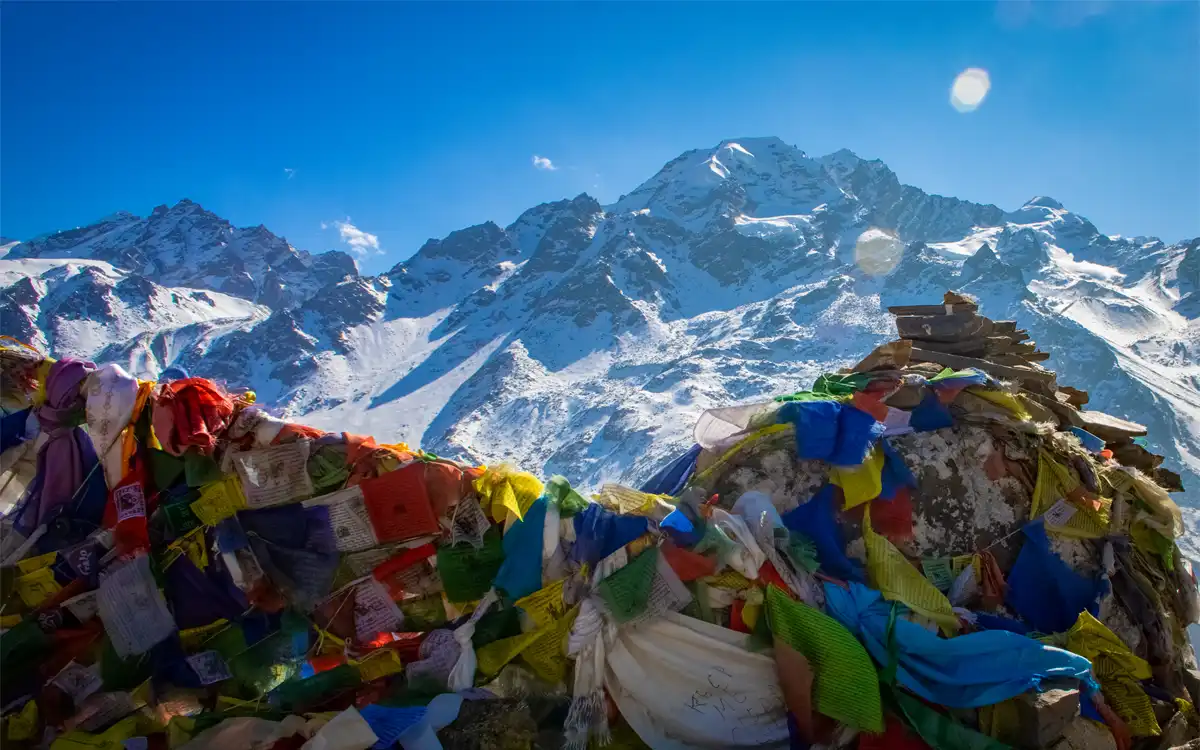 Manaslu Tsum Valley Trek
Trekking in Nepal means walking the trails for days, sleeping each night in a small family lodge we call a teahouse, eating where you sleep, carrying almost nothing if you take a porter. The range is enormous. There are soft little three or four-day walks that genuinely anyone can do, Ghorepani Poon Hill being the one everyone starts on, and then there are three-week monsters over passes well above five thousand metres where the days are long and cold and completely worth it. So fitness alone rarely rules anyone out. There is nearly always a trek to fit the person.
What trips people up is everything wrapped around the walking. Permits first, which depend on your region, though an agency or guide handles those for you. Then altitude, and this is the one I bang on about, because the thin air is what actually makes high trekking hard, not your legs, and people who rush it get sick, and a few every season get badly sick. So you build in rest days. You walk slow even on the days you feel strong. And you match the route to your real time and money, because someone booking the Manaslu Circuit with nine days off and a Poon Hill body is just lining up to fail, and I have watched it happen more than once. The proper detail on the routes and what they cost is on the Nepal trekking page, and that is the one to actually read before you commit to anything.
Nepal tours and sightseeing
Loads of people have no interest in walking for a fortnight, and fair enough, nobody is making them. A Nepal tour hands you the temples, the lake towns, the wildlife, the mountain viewpoints, all at an easy pace, mostly by road, real bed every night. Families, older travellers, anyone short on time. The Nepal tours page has the full spread.
Peak climbing in Nepal
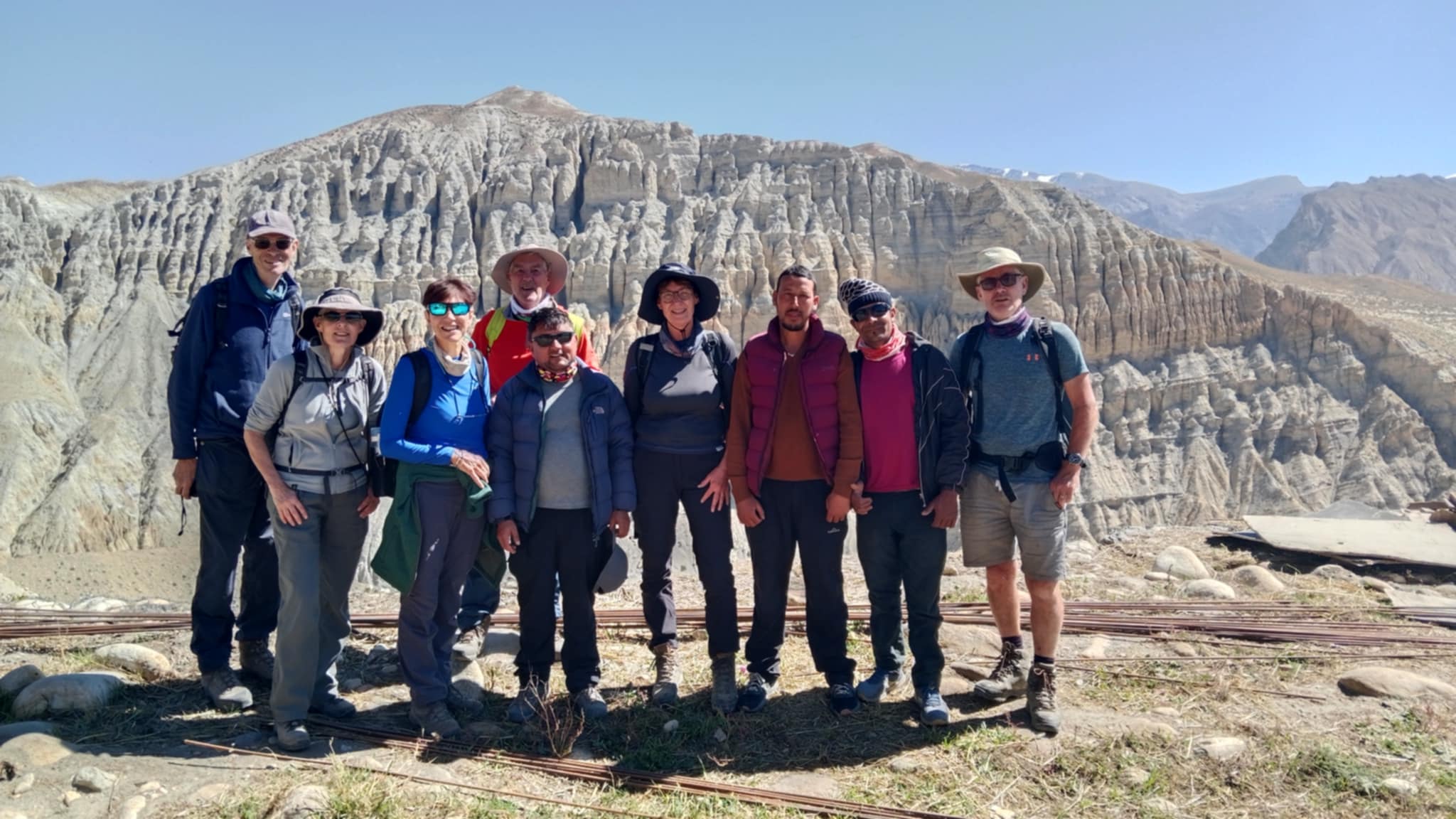
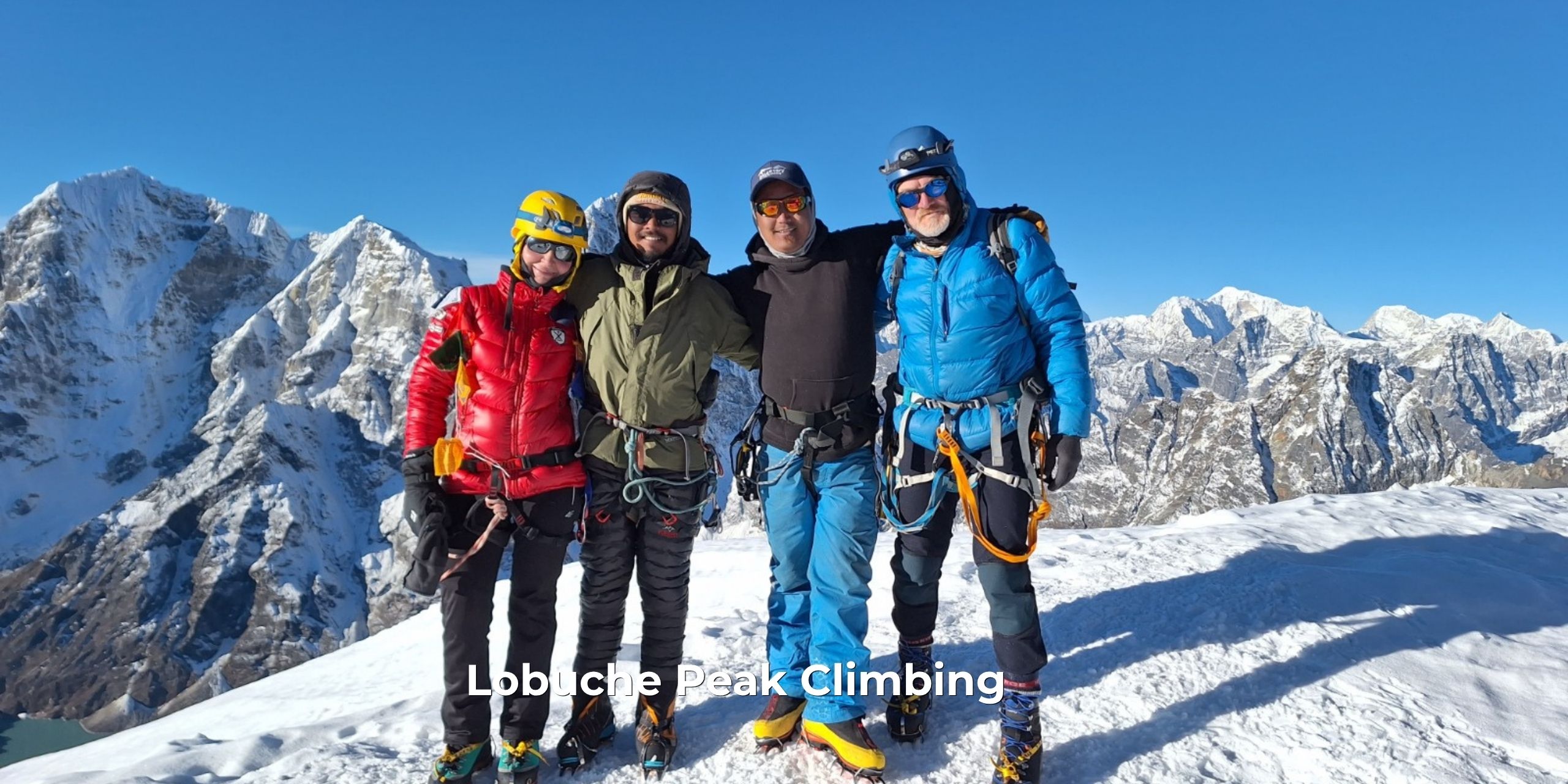
A clear step up from trekking. The trekking peaks, the six-thousand-metre ones, let a fit walker get onto a genuine summit with a rope and crampons for a sliver of what an expedition costs, and almost everyone starts on Mera or Island. If that idea grabs you, look at the peak climbing in Nepal page.
River rafting in Nepal
Our rivers come straight off the snow, so the whitewater is good, half a day to a few days camping on the sand: river rafting.

Jungle safari and wildlife
Down in the Terai the parks have one-horned rhino, wild elephant, and, if you are quiet and a bit lucky, tiger. A dawn canoe carved out of a single tree, a jeep through grass taller than the roof, a Tharu dance in the evening, and two slow days are gone before you notice. The jungle activities page covers it.
Places to visit in Nepal
Some people plan by activity. More plan by place, picturing where they want to wake up in the morning. These are the places to visit in Nepal that fill most trips.
Kathmandu Valley is where you land and where the old stuff is piled deepest, and it is dense and loud and a bit much on day one, the Durbar squares, the great white stupa at Boudhanath with pilgrims circling it at dusk, the smoke and the holy men at the Pashupatinath ghats, the brick lanes and drying clay pots of Bhaktapur. Most people give it a day or two at the start and one at the end. Pokhara is the cure for all that, a few hours west, a slow lake town sitting right under the Annapurnas where everyone seems to let their shoulders drop between the harder bits of the trip.
Then the trekking regions, each with its own feel. The Everest region for Base Camp and the high Sherpa Khumbu, the famous one. The Annapurna region, which I usually steer first-timers toward, best mix of value and variety and all of it out of Pokhara. The Langtang region, closest to Kathmandu, the one that fits in a week. And the Manaslu region, wilder and far quieter, for people trying to get away from the crowds.
The rest fills in round that. Chitwan and the Terai for the jungle. Lumbini, out west near the Indian border, where the Buddha was born, now a quiet garden full of monasteries built by countries from all over. And Mustang, hidden behind the high peaks in the dry rain-shadow, which honestly feels like another country altogether, all bare red cliffs and old walled villages. Do not try to cram it all in. Two or three places, done slowly, beats six in a blur, every time.
How many days do you need in Nepal?
You can have a week for Kathmandu, Pokhara, and one short trek or a jungle stay. Ten days for a first trip to Nepal. A big trek like Everest Base Camp or the Manaslu Circuit will require two to three weeks.
Getting to Nepal and getting around
Everyone flies into Kathmandu, into Tribhuvan International Airport, still the main door, even though there are newer international airports now over at Pokhara and at Bhairahawa near Lumbini.
The roads are slow, and they wind on forever, so that short-looking hop on the map quietly becomes a half-day commitment, and you learn pretty fast to count in hours rather than kilometres. Tourist buses are cheap and perfectly fine on the main runs like Kathmandu to Pokhara. A private car or jeep costs more but buys back time and a load of grief. And for the high or far-off places a short domestic flight saves days, the little planes onto the cliff-edge strip at Lukla for the Everest region being the obvious one. Bring patience for the roads. The view out the window usually pays you back for it.
Nepal Visa and Entry requirements
Most nationalities get a Nepal visa on arrival, which you sort right there at the airport when you land, or fill in online beforehand to skip a good chunk of the queue. You need a passport with at least six months left on it and a passport photo.
The cost just depends on how long you are staying. It is thirty US dollars for a fifteen-day visa, fifty for a month, and a hundred and twenty-five for the full three months. You pay in the usual major currencies right at the desk, and if you fall for the place and want longer you extend later at the immigration offices in Kathmandu or Pokhara. A handful of nationalities sit under different rules, so it is worth a quick check on your own passport before you book the flight.
Nepal Travel Cost, Money, and Budget
The cost of travel in Nepal is among the lowest you will find for a country this rewarding, and the daily budget goes a long way without you having to rough it.
The money is the Nepali rupee, and the rate floats around a hundred and fourty-odd to the US dollar, drifting a bit over time. ATMs are all over Kathmandu and Pokhara, and cards work in the mid-range and nicer places, but the second you step onto a trail or into a smaller village it turns cash only, so draw out plenty before you head somewhere remote, because the last working machine can end up days behind you.
As for what a day actually costs, it splits roughly three ways. A backpacker doing it lean, guesthouses, local food, the tourist bus, a guide shared across a group, gets by on something like twenty to thirty-five dollars a day. Travel mid-range, a comfortable hotel, eating out properly, the odd private transfer, and you are looking at maybe forty to eighty. And a proper comfort trip, good hotels, a private car and driver, flights instead of long drives, starts up around a hundred a day and climbs from there. Put that comfort figure next to what a basic holiday costs you almost anywhere else, and you see why so many people get here and realise they can afford to do more than they came planning to.
Food in Nepal
You will eat dal bhat twice a day on the trail, mostly because it is the one meal that genuinely puts back the calories you burned grinding uphill for six hours. The bit I love is the etiquette around it. The lodge owner comes round with the pot and just keeps spooning more rice and lentil soup onto your plate, again and again, until you actually put your hand over it to make them stop. It is unlimited. After a brutal day that means a great deal more than it sounds.
Off the trail the food opens right up. Momo, the dumplings everyone quietly gets hooked on, are everywhere, steamed or fried. In the Kathmandu Valley, go hunting for the Newari food, big spreads of spiced meat and beaten rice and a few things you will not recognise and should just order anyway. Sweet milky tea, chiya, basically runs the country. Western food is easy enough in the tourist areas, so picky eaters and kids will cope fine, but the local stuff is cheaper and fresher and, most days, the better shout.
Culture, people, and festivals in Nepal
Nepal is a patchwork, genuinely. Dozens of ethnic groups, a pile of languages, traditions layered on traditions, all packed into a country you could drive across in a couple of long days. Hindu and Buddhist practice live right next to each other and keep blurring into one, which is a big part of what gives the place its particular feel.
The festivals come thick and fast, and bending a trip around one is worth the trouble if you can swing it. Dashain, in autumn, is the giant of them, a long family festival that empties the cities as everyone heads back to their villages, so expect shut shops and packed buses if you travel then. Hard on its heels comes Tihar, the festival of lights, when the doorways glow with rows of little oil lamps and the street dogs get marigold garlands hung round their necks, which never once stops being lovely. Holi, in spring, is the coloured-powder one you have seen in the photos. And a bit of manners goes a long way here. Palms together, a quiet namaste. Shoes off at the door of a home or a shrine. Cover up at the religious sites. People clock the effort every single time, and they warm right up to you for it.
Staying safe and healthy in Nepal
Nepal is a safe country to travel in, and solo travellers, women very much included, do it all the time without any bother. Ordinary city sense handles the rest, mind your bag in a crush, take a registered taxi or one of the ride apps. The real stuff is out on the trails, not in the towns.
Altitude is the one to take seriously. Get up too high too fast and the thin air will make you ill no matter how fit you are, and the only real defence is to climb slow and give your body the days it needs to catch up. Drink bottled or treated water rather than the tap, give the street food a sensible eye, and you will dodge most of the stomach trouble that catches people out. And whatever you do, do not skip travel insurance, the proper kind that covers high altitude and a helicopter off the hill, because a chopper rescue with nothing behind it runs into thousands.